Skip to content

Creating a staircase banister

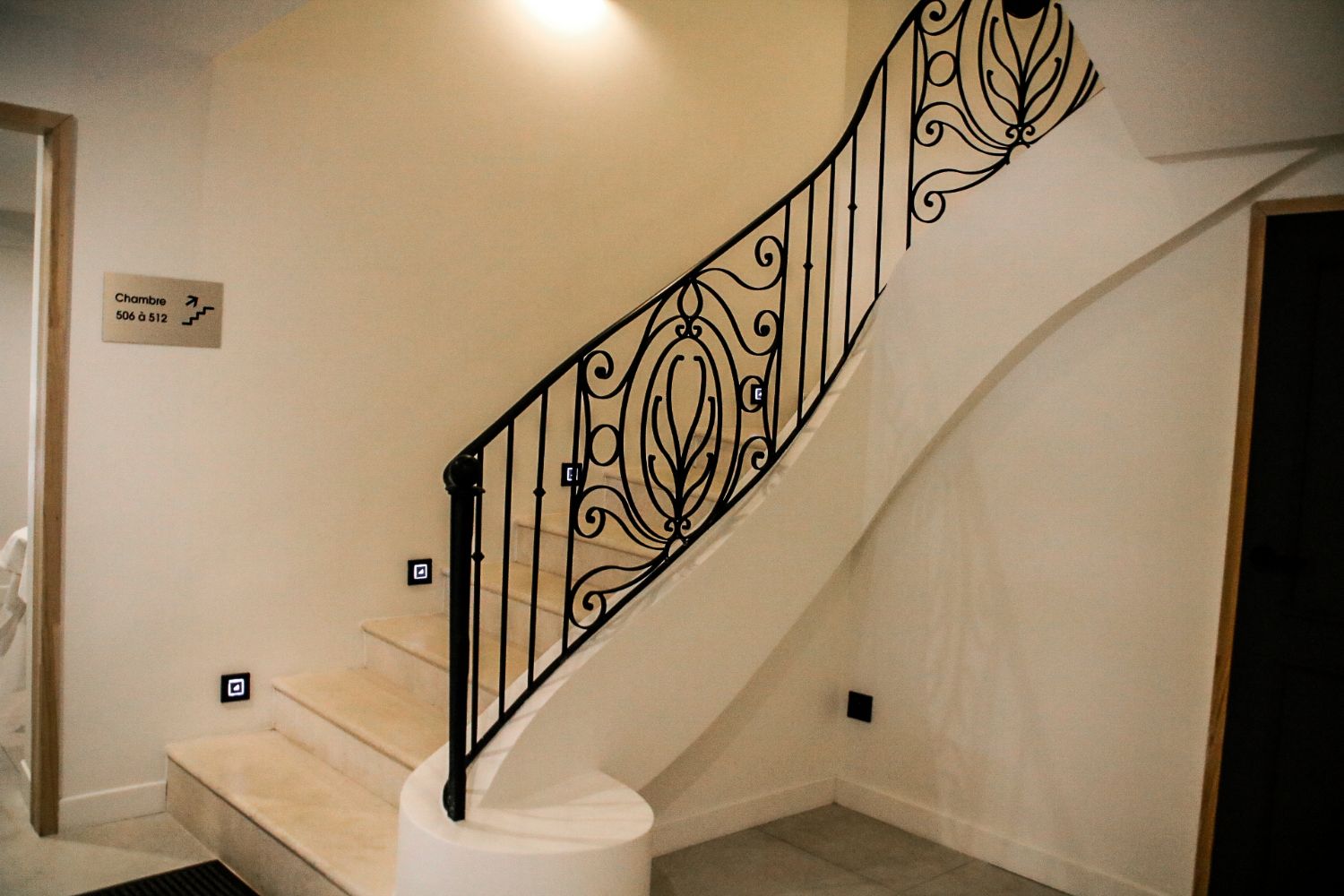
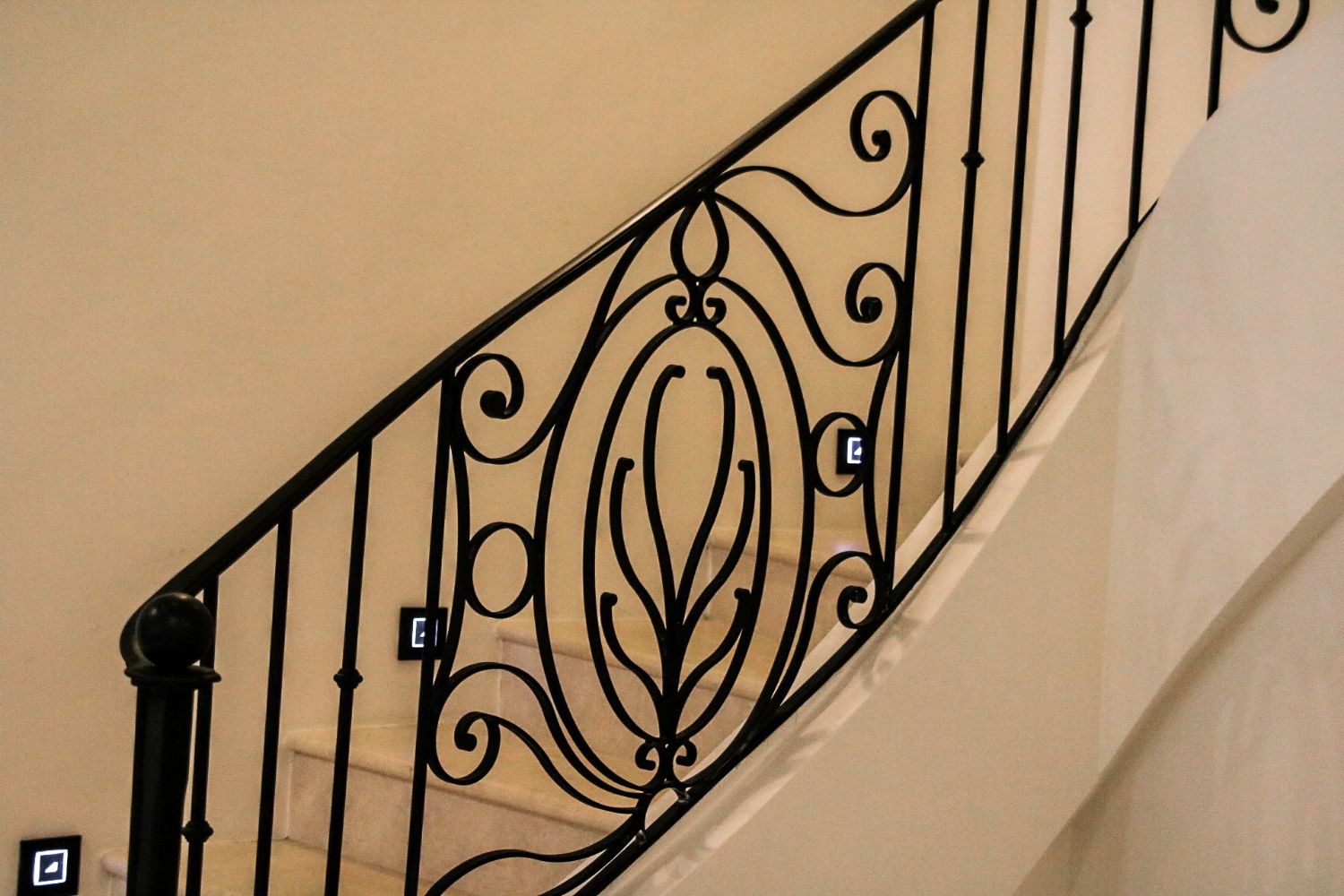
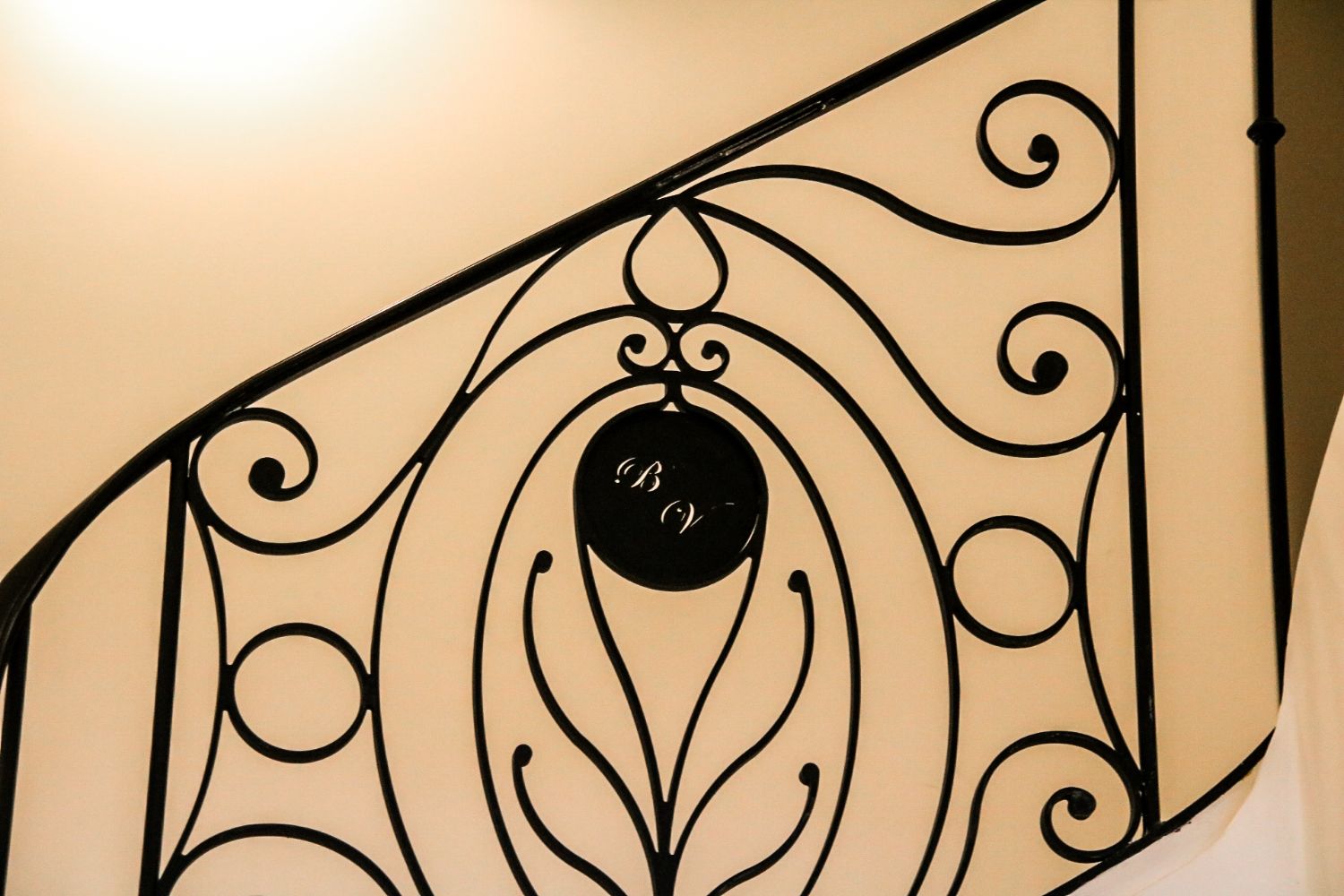
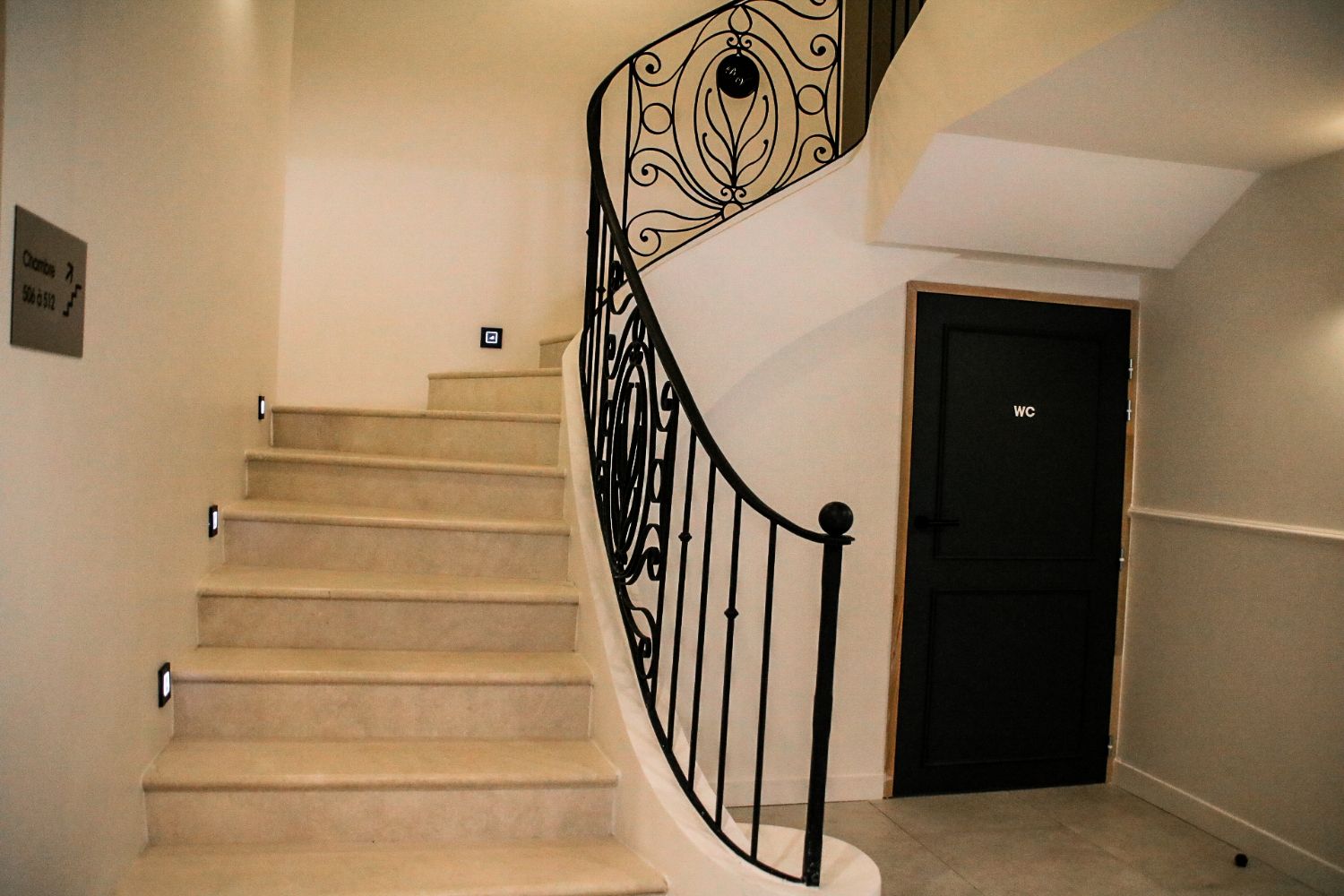
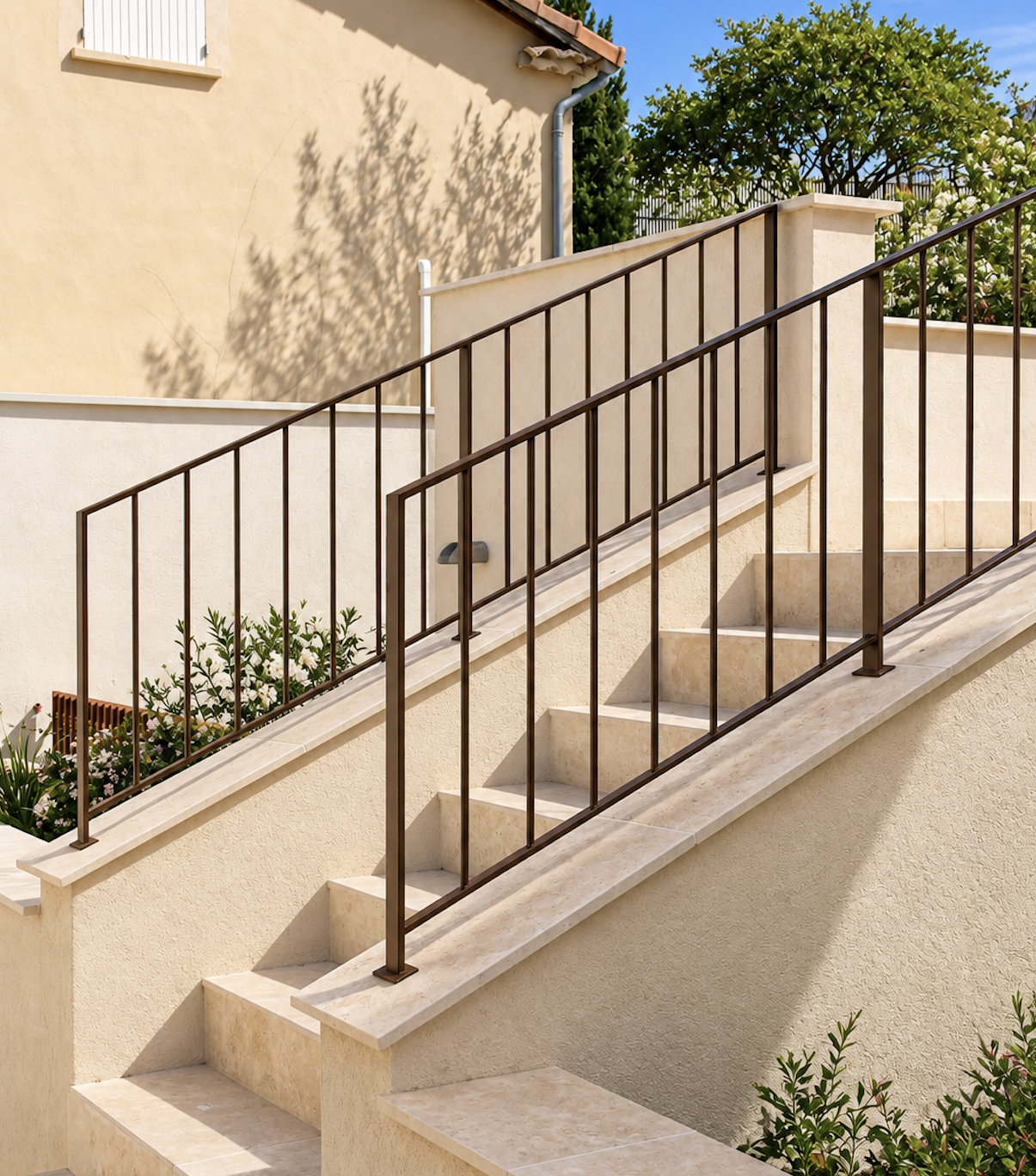
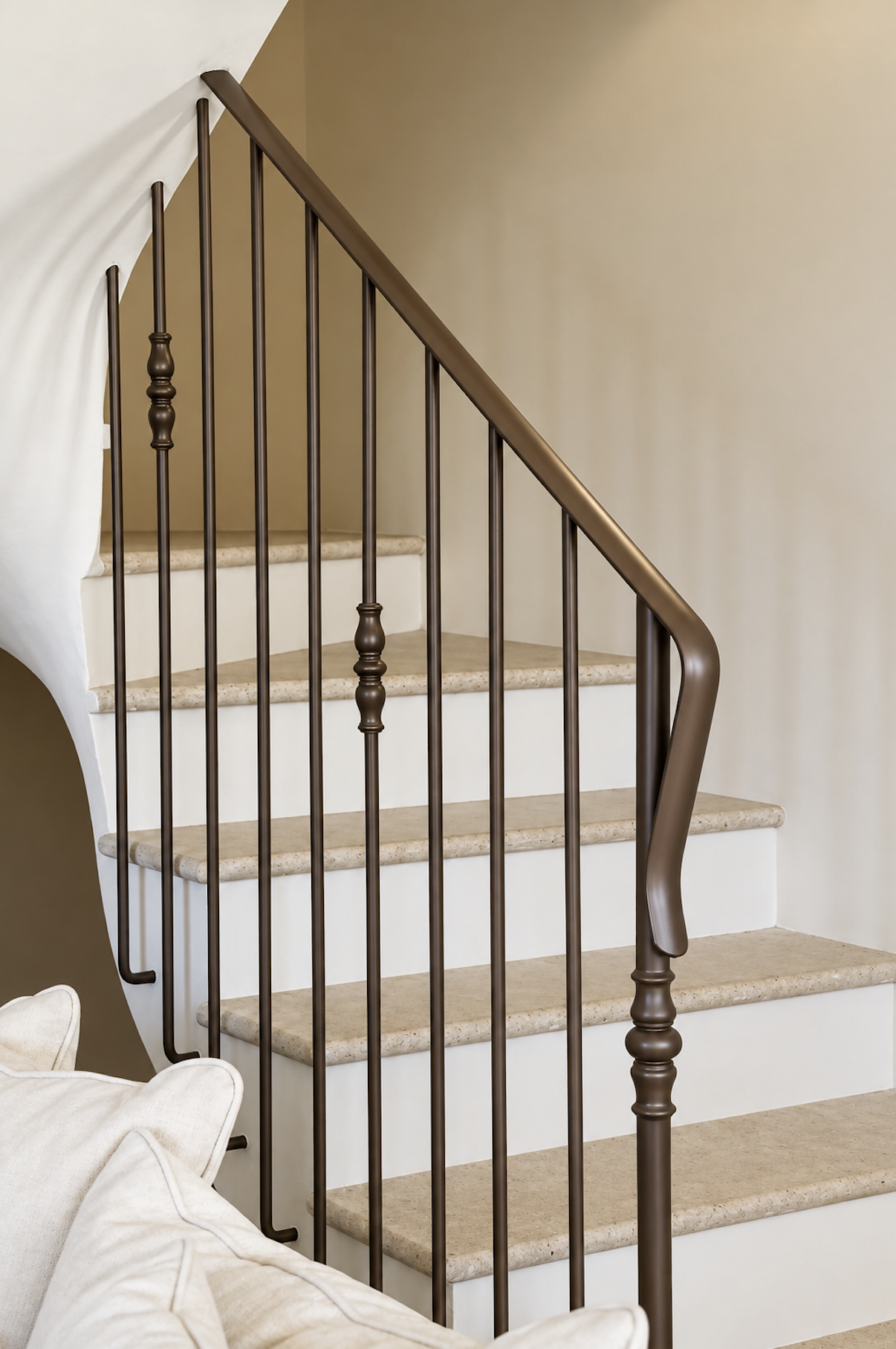
Building a staircase banister is a process that requires a skilful combination of technical expertise, design and precision. Whether for a new build or a renovation, the staircase banister plays a central role – both functional and aesthetic – in the interior design of a space.

First and foremost, the choice of materials is a crucial step in the design of a staircase banister. There is a wide range of options, from classic wood to contemporary steel and clear glass. Each material lends the banister a distinctive aesthetic, and the choice often depends on the overall style of the interior design. Wood offers natural warmth, steel a robust modernity, whilst glass creates a sense of openness and brightness.

Once the materials have been selected, the design of the handrail must take into account both aesthetics and functionality. The lines, curves and details must blend in with the rest of the space whilst ensuring ease of use and safety. The height of the handrail, the dimensions of the balusters and the gradient – all these elements must be carefully calculated to meet current safety standards.

The practical construction of the stair railing begins with the preparation of the materials. In the case of metal materials, cutting, welding and finishing techniques are required.

Assembling the handrail requires precision and attention to detail. The balusters must be securely fixed to ensure the stability of the entire structure. The joints between the various components must be carefully finished to ensure the railing’s visual continuity. Furthermore, the installation must comply with safety standards regarding height and structural strength.

The finish is a crucial step in perfecting the appearance of the stair railing. Depending on the material used, paint, varnish or an anti-corrosion treatment provide the finishing touch that brings out the railing’s inherent beauty.

Completed in January 2024

Our latest projects

Creating an interior glass roof

CT Métal Concept presents this made-to-measure interior glass roof, designed to delimit the...

Creation of a carport

CT Métal Concept is proud to present this custom-built carport that combines sleek lines...

Creating a staircase banister

CT Métal Concept presents this elegant made-to-measure banister, created in Saint-Rémy-de-Provence....

Building a pergola

CT Métal Concept designed and installed a made-to-measure pergola in Saint-Rémy-de-Provence. Designed...

Creating lettering

CT Métal Concept produced and installed bespoke lettering for the Hôtel le...

Making a sign

CT Métal Concept designed and installed the new wrought iron front for La...

Building a pergola

CT Métal Concept designed and installed a made-to-measure pergola, combining robustness and...

Making bay windows

CT Métal Concept recently completed an installation of bay windows, combining aesthetics and...

Creating a staircase banister

CT Métal Concept presents this elegant staircase banister, made-to-measure to fit perfectly...

Creation of a gate

We designed and installed this made-to-measure gate, combining safety, aesthetics and durability. This...

Creation of an interior glass walkway

Project features: Transparency and design: The glazed walkway creates a feeling of...

Creating a suspended pergola

We make it a point of honour to design unique structures that are tailored to your needs...

Building a staircase banister is a process that requires a skilful combination of technical expertise, design and precision. Whether for a new build or a renovation, the staircase banister plays a central role – both functional and aesthetic – in the interior design of a space.

First and foremost, the choice of materials is a crucial step in the design of a staircase banister. There is a wide range of options, from classic wood to contemporary steel and clear glass. Each material lends the banister a distinctive aesthetic, and the choice often depends on the overall style of the interior design. Wood offers natural warmth, steel a robust modernity, whilst glass creates a sense of openness and brightness.

Once the materials have been selected, the design of the handrail must take into account both aesthetics and functionality. The lines, curves and details must blend in with the rest of the space whilst ensuring ease of use and safety. The height of the ramp, the dimensions of the balusters and the gradient – all these elements must be carefully calculated to meet current safety standards.

The practical construction of the stair railing begins with the preparation of the materials. In the case of metal materials, cutting, welding and finishing techniques are required.

Assembling the railing requires precision and attention to detail. The balusters must be securely fixed to ensure the stability of the entire structure. The joints between the various components must be carefully finished to ensure the visual continuity of the railing. Furthermore, the installation must comply with safety standards regarding height and structural strength.

The finish is a crucial step in perfecting the appearance of the stair railing. Depending on the material used, paint, varnish or an anti-corrosion treatment provide the finishing touch that brings out the railing’s inherent beauty.

Completed in January 2024