Skip to content

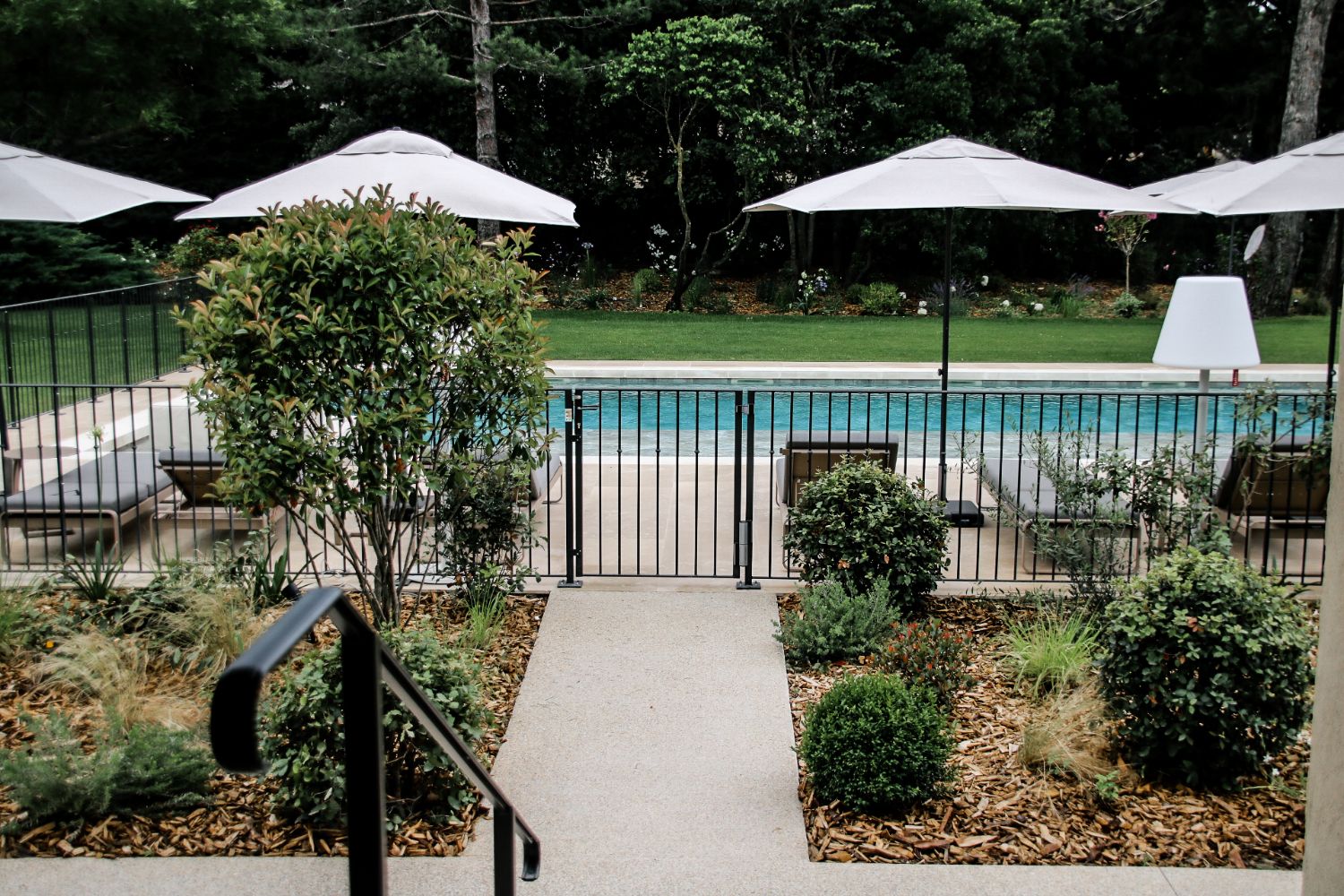
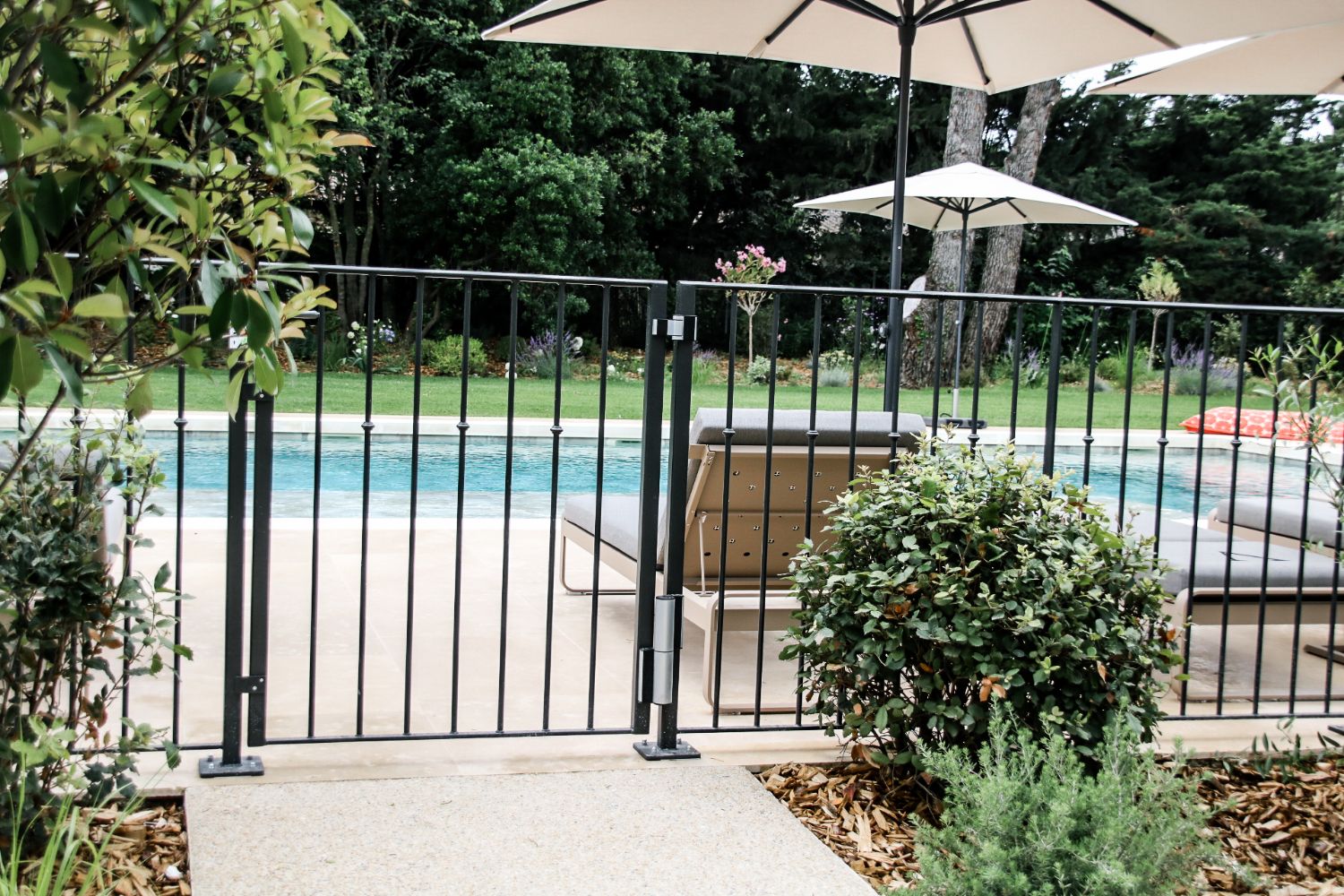
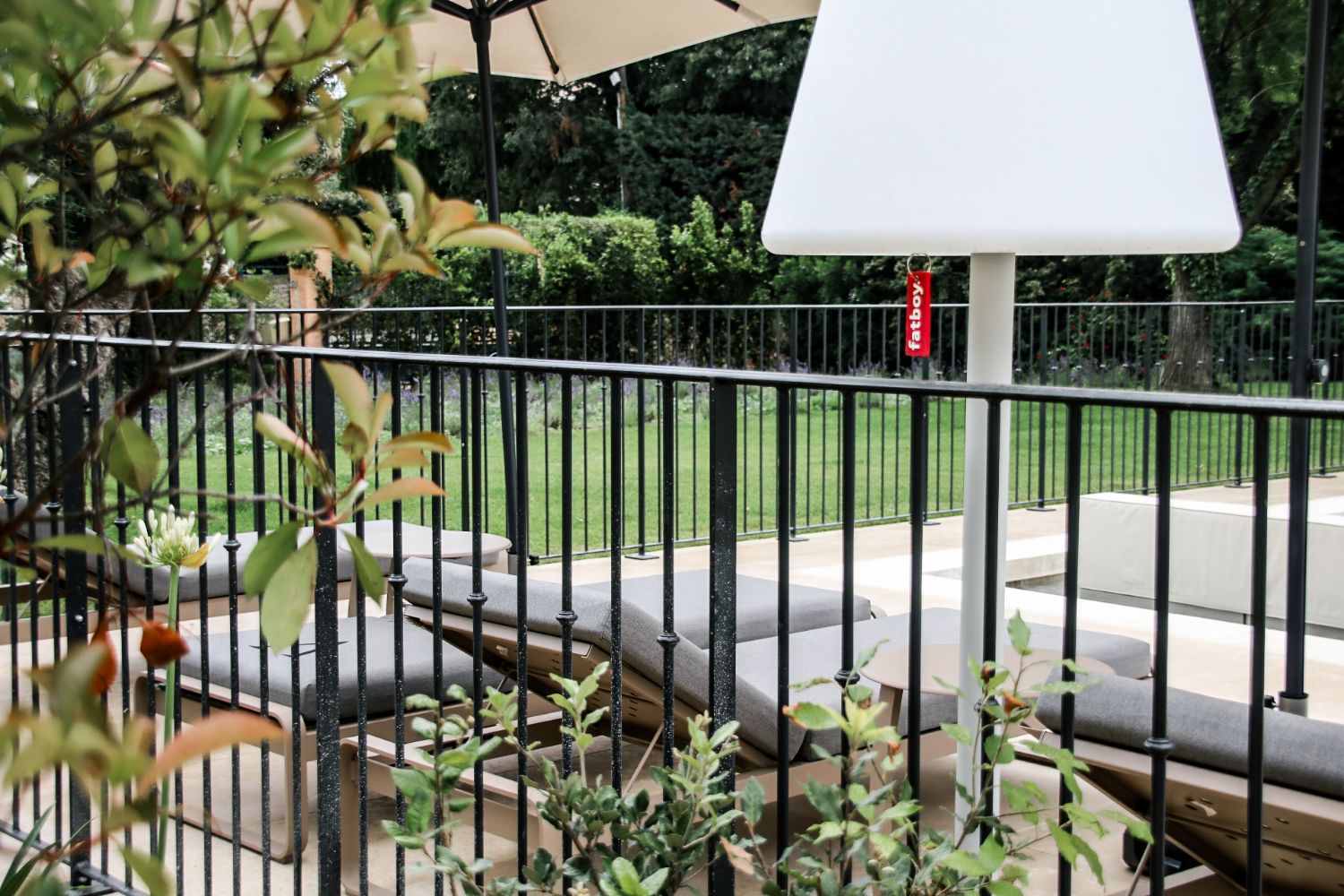
Making a guard rail to secure a swimming pool

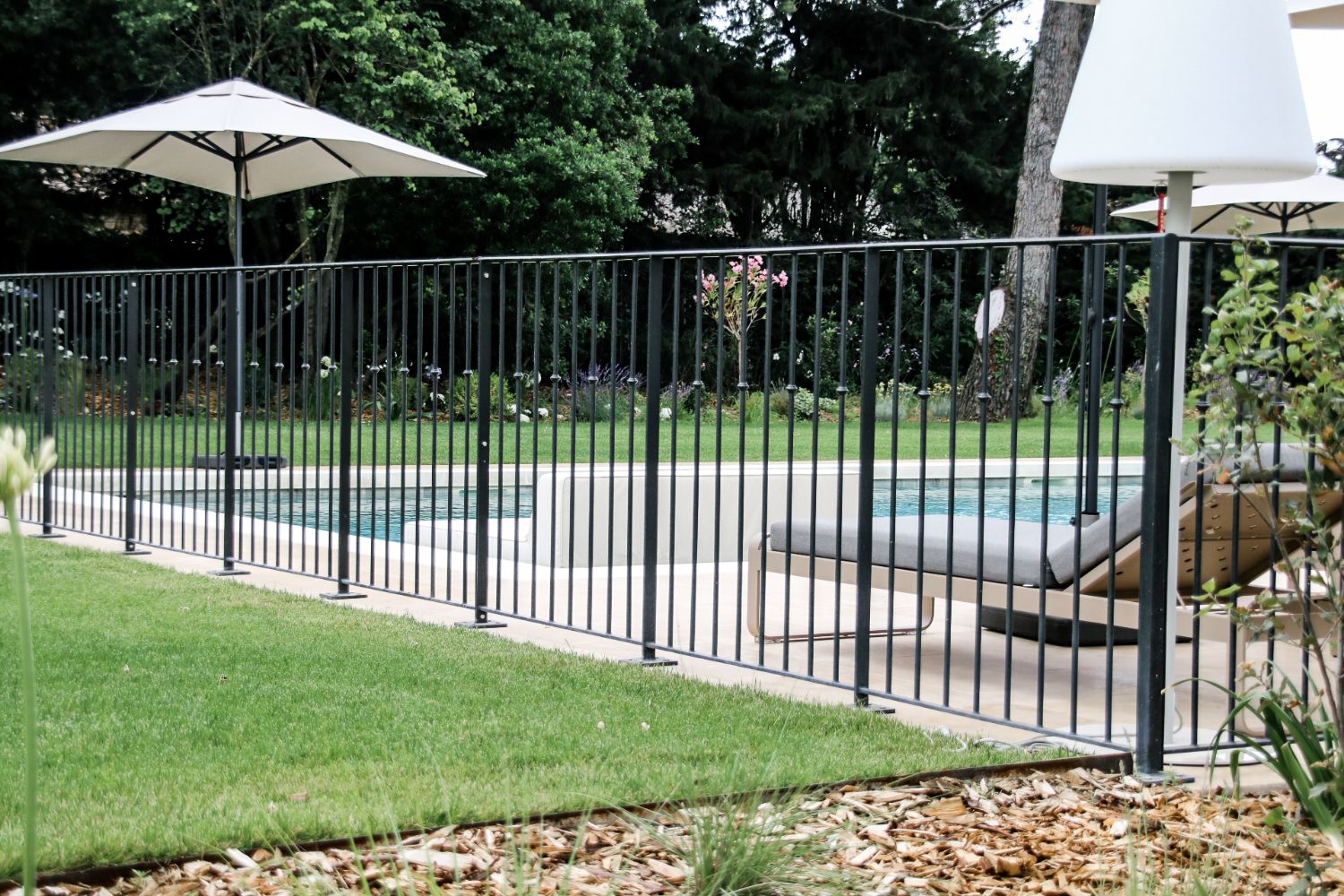
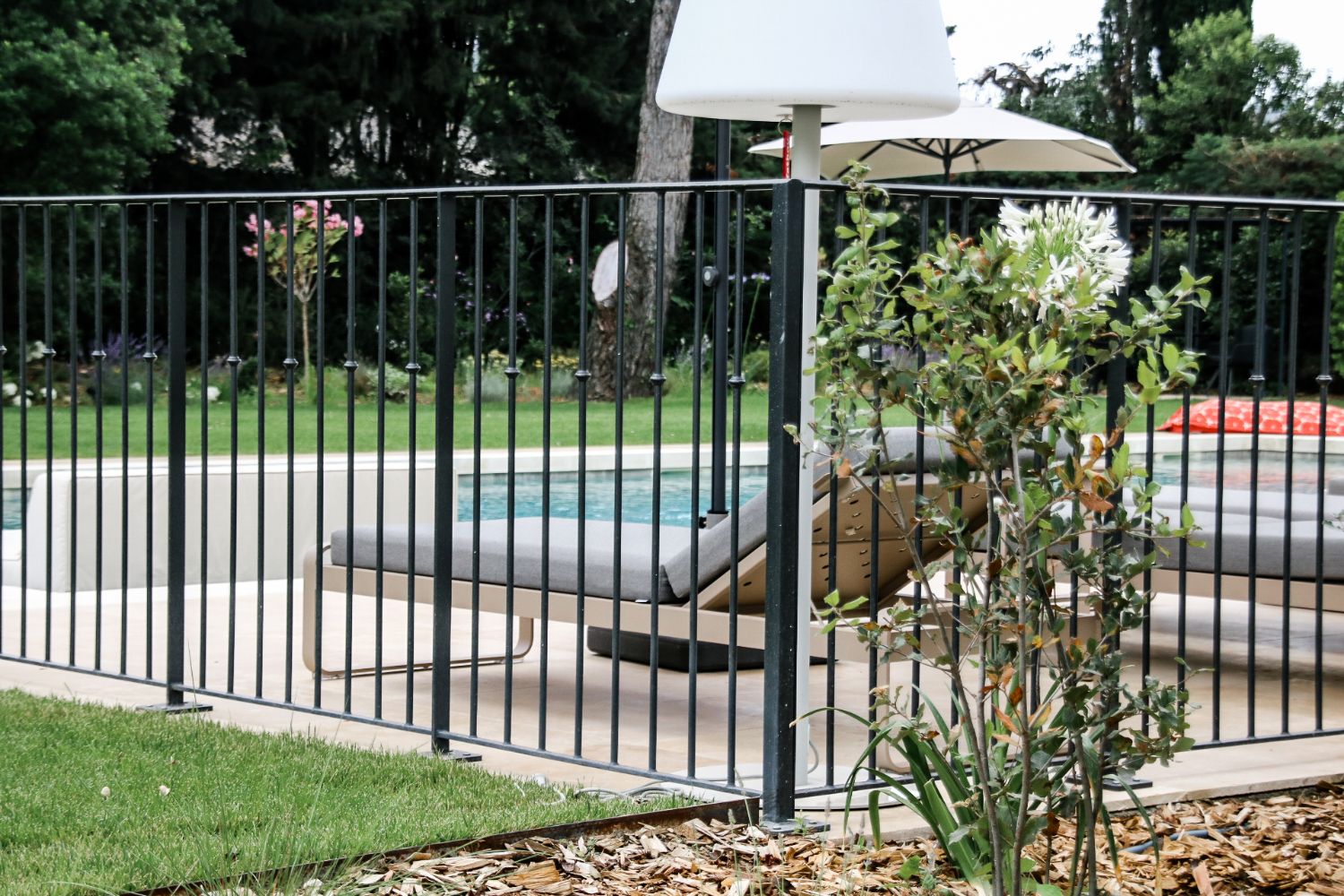
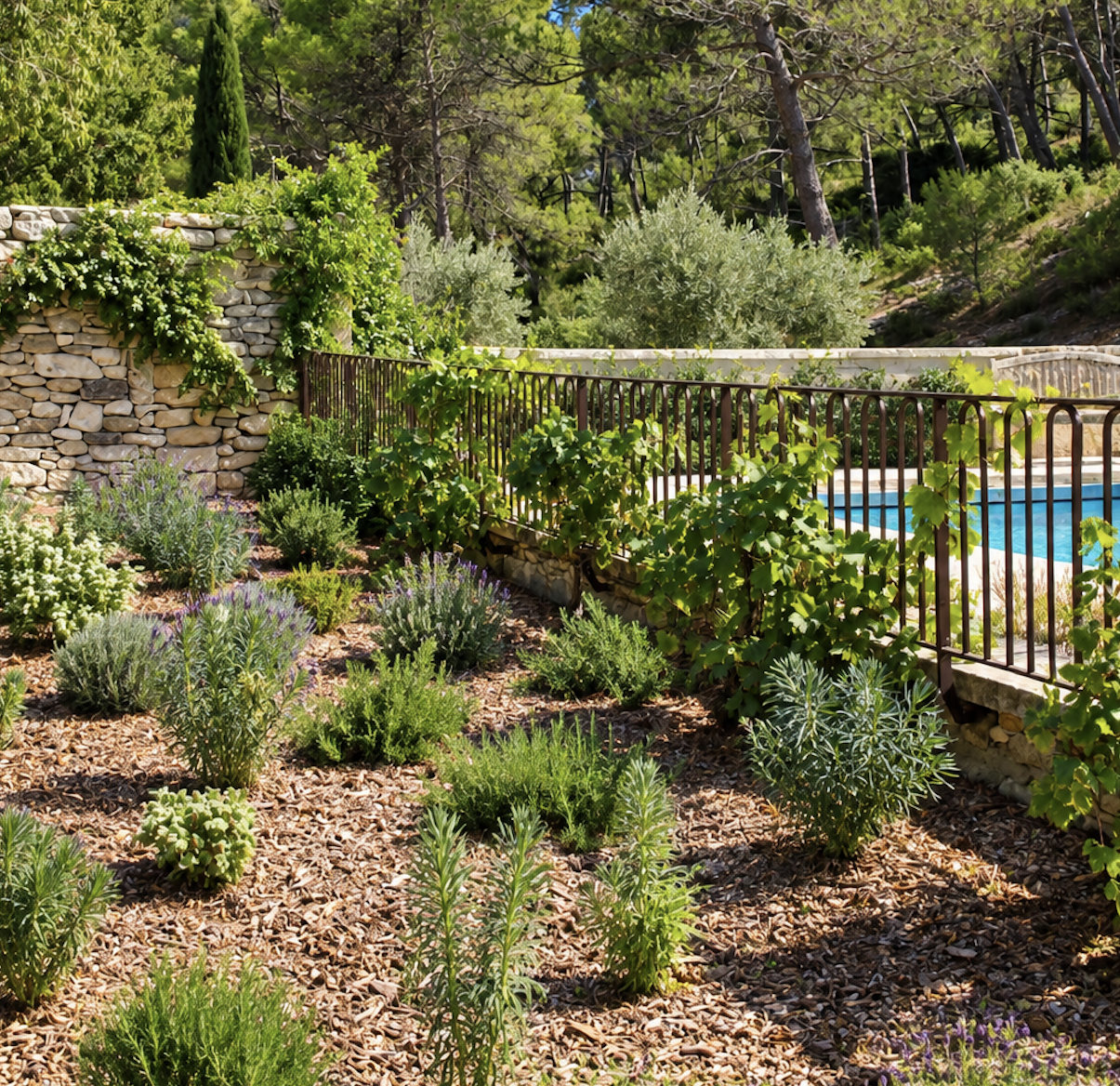
The first step in installing a pool safety railing is to carry out a thorough site assessment. It is crucial to take into account the dimensions of the pool, the characteristics of the land, and the specific features of the surrounding area. A thorough analysis helps to determine the number of sections required, the appropriate materials and the style of the railing, in keeping with the property’s overall design.

Choosing the right materials is an important step in the design of a balustrade. Common options include aluminium, stainless steel and glass. Aluminium is valued for its durability, corrosion resistance and light weight. Stainless steel offers a modern look, combined with exceptional strength. Glass, meanwhile, adds a touch of elegance whilst providing an unobstructed view of the swimming pool.

Once the materials have been selected, the design of the balustrade can be customised to suit the homeowner’s aesthetic preferences. Elements such as the height, the shape of the balusters and the finishes can be adjusted to meet the specific requirements of each project. Some opt for more traditional designs, whilst others prefer clean, contemporary lines.

Safety is the primary purpose of a guardrail, and this is reflected in specific requirements, such as the minimum height required, structural strength and compliance with local standards. It is essential to comply with these standards to ensure adequate protection.

Completed in January 2024
Our latest projects

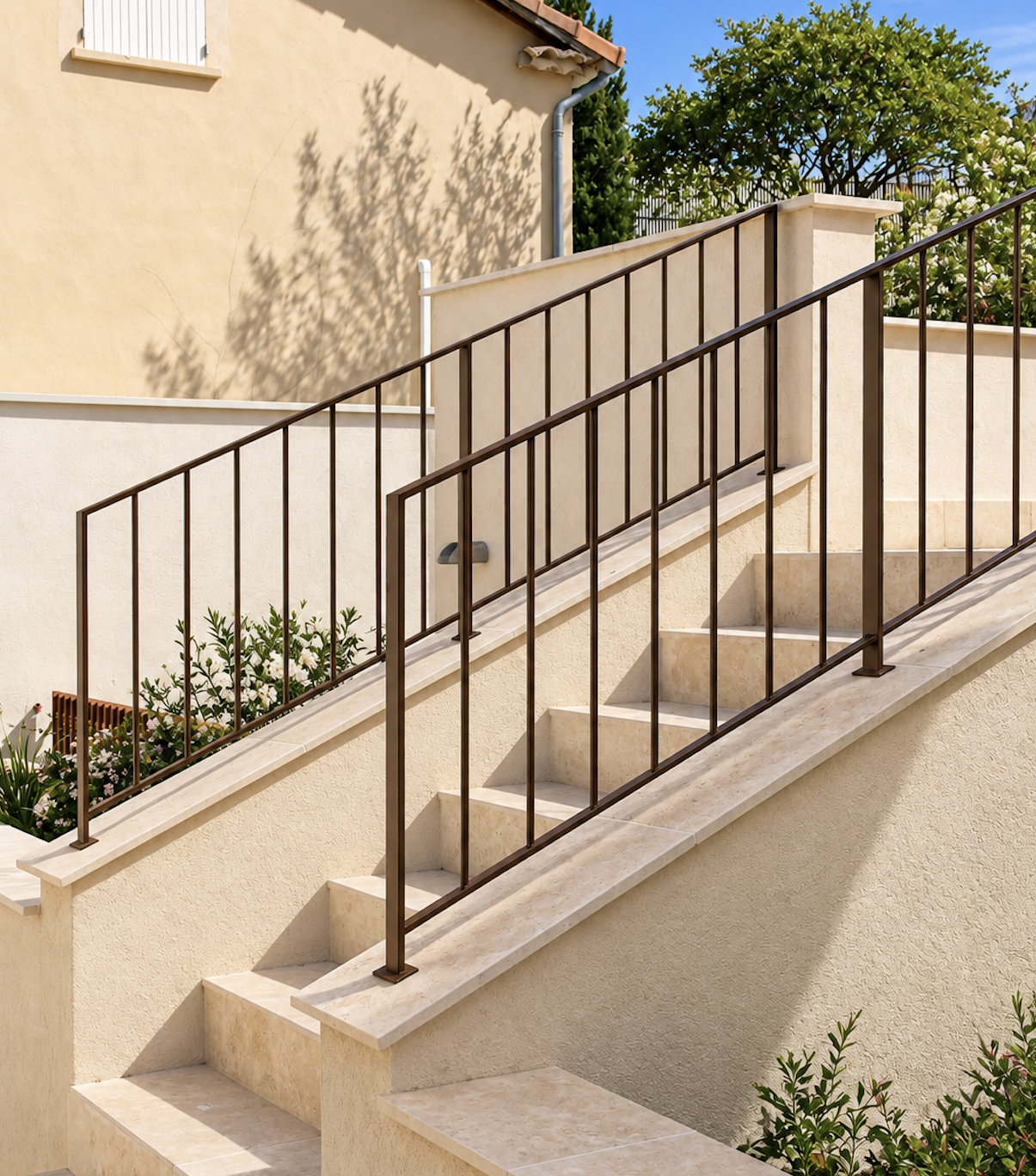
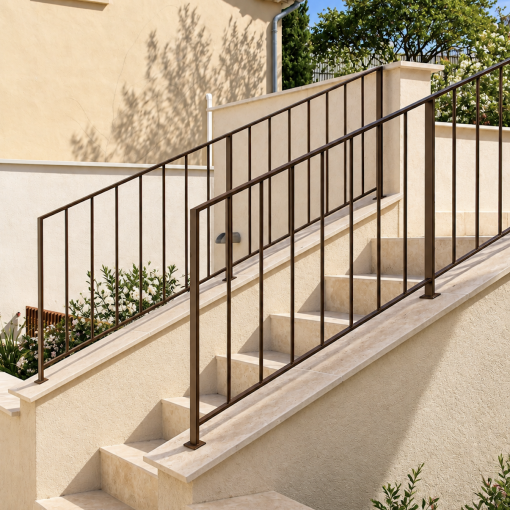
Fitting handrails to a staircase

Design and manufacture of bespoke metal handrails for this external staircase. Made from...

Installing a fence and a gate in a garden

We have designed a bespoke fence and gate to complement the charm...

Installation of a large glazed interior door

Creation of a glazed internal door integrated into a set of fixed panels, with a...

Creating a portal

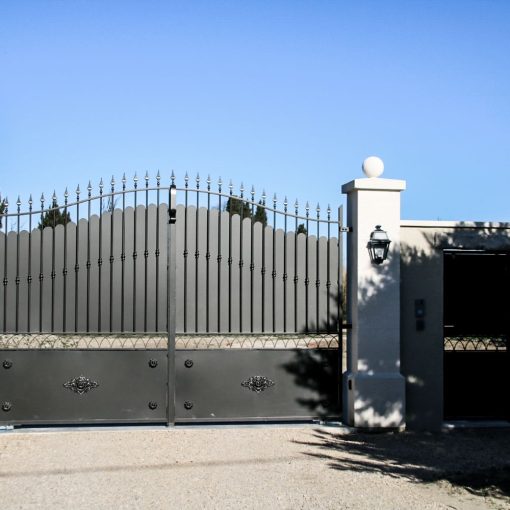
Construction of a double-leaf metal gate, comprising vertical bars topped with...

Design of the interior doors in a farmhouse

On this site, CT Metal Concept installed a range of glazed interior doors...

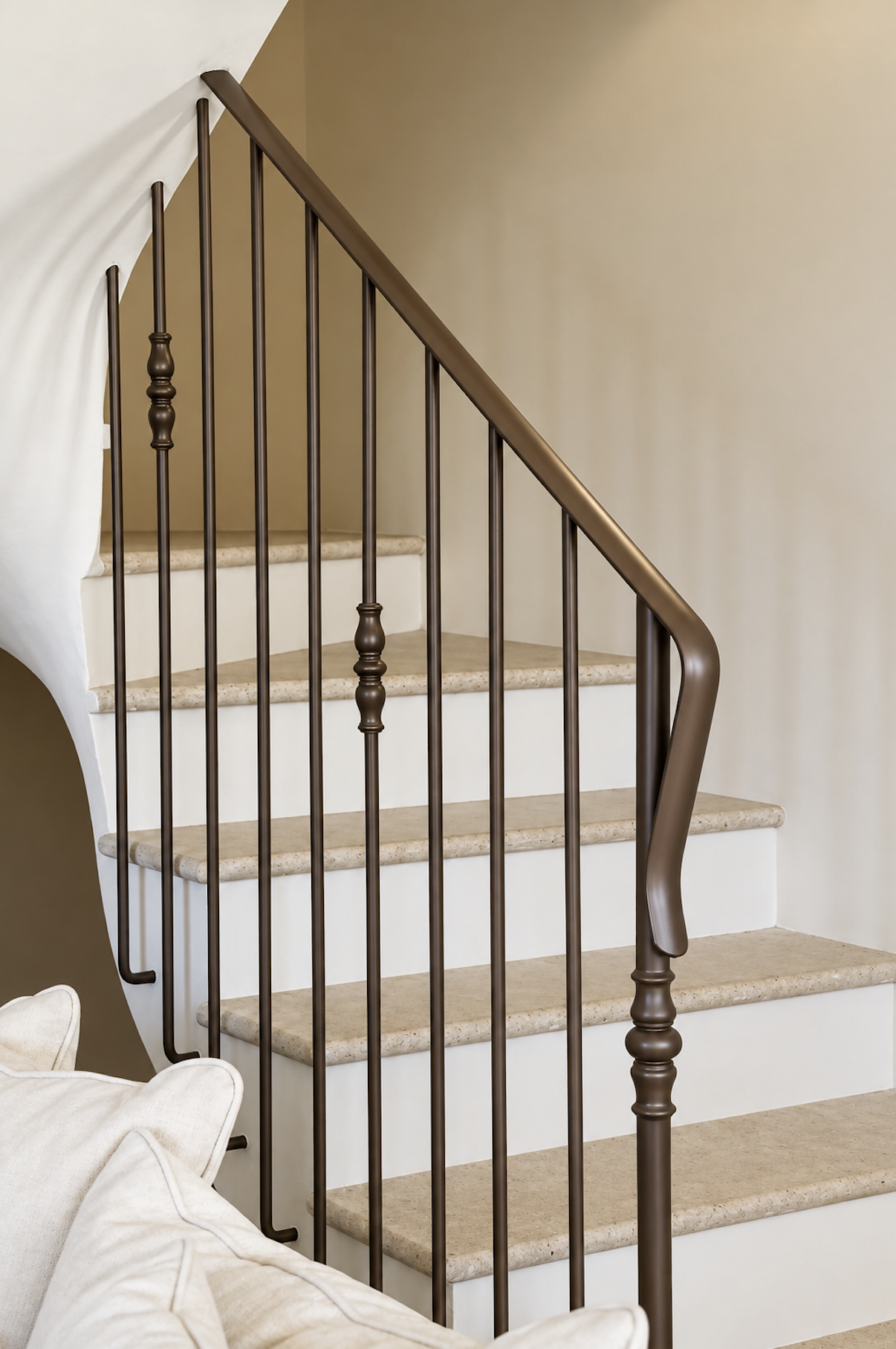
Design of a staircase balustrade

Design of a metal balustrade with vertical spindles, suitable for both flights of the staircase....

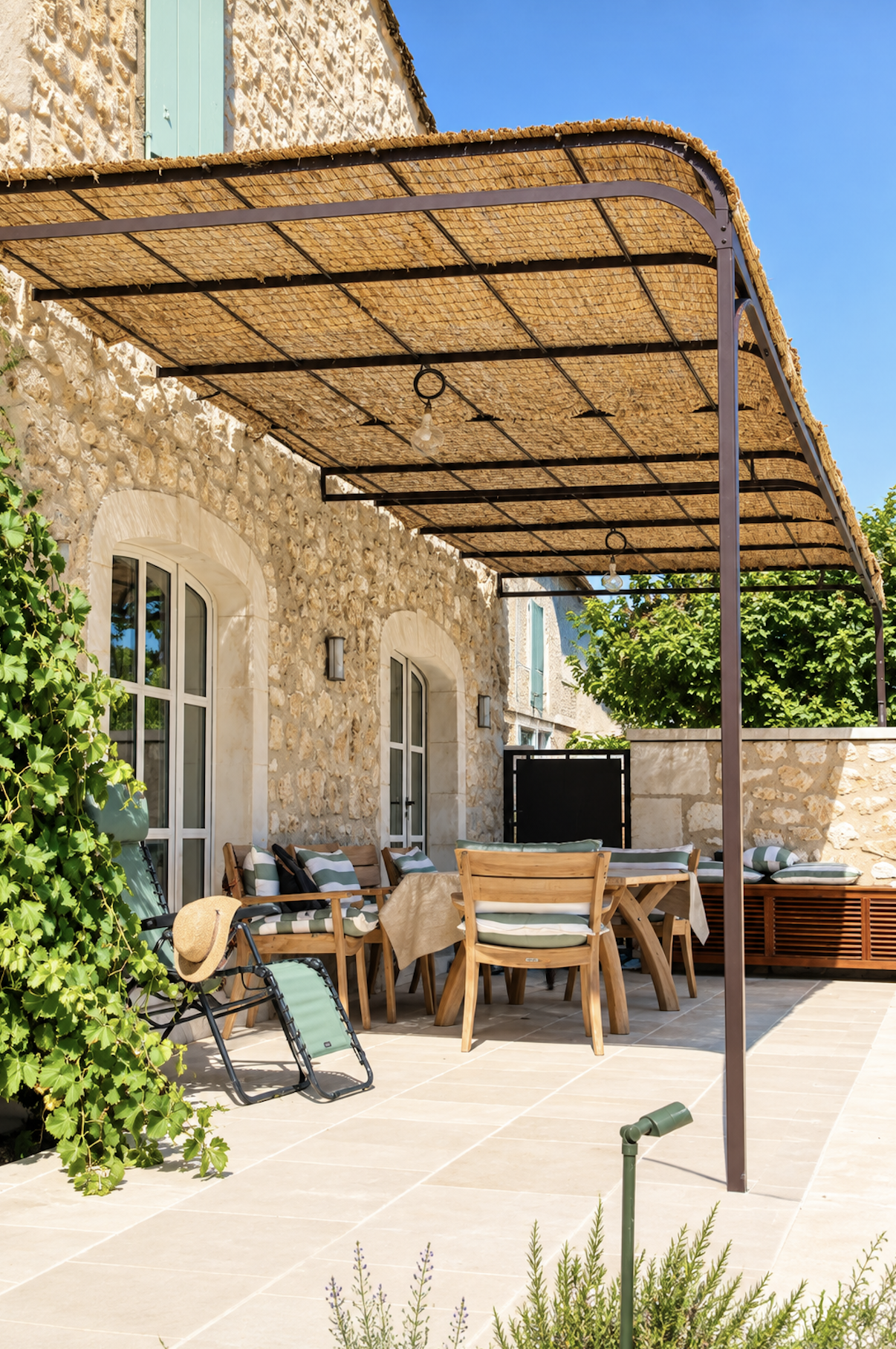
Designing a pergola

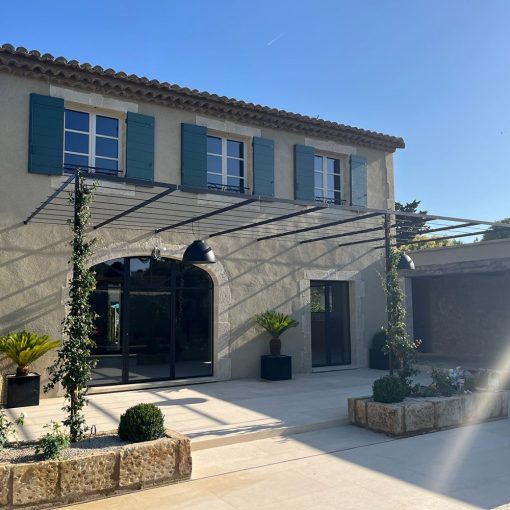
Designed by CT Metal Concept: a metal pergola attached to the façade, with posts...

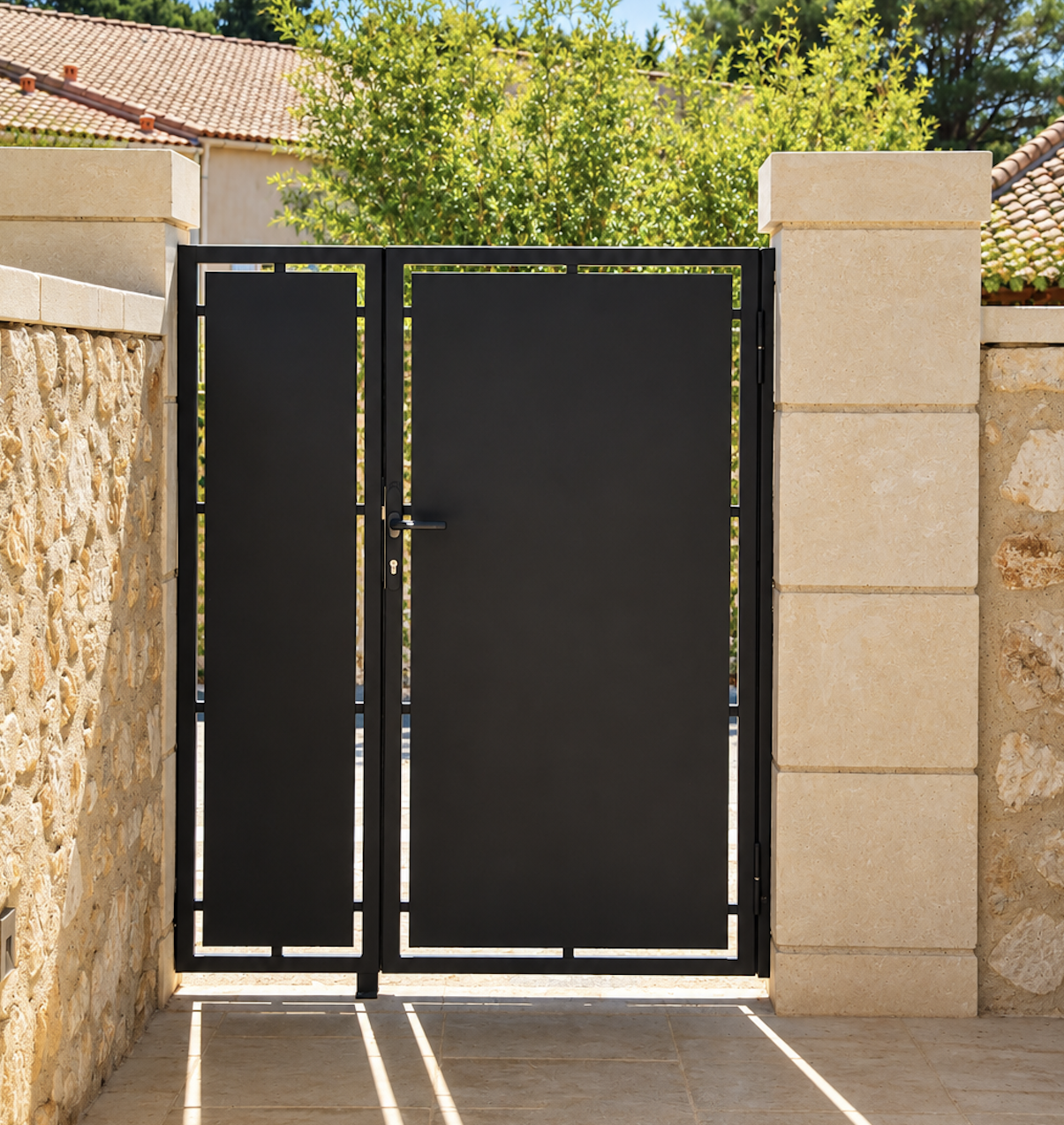
Design of a gate and a half-fence

Designed by CT Metal Concept: a metal gate with a fixed side panel, accompanied by a...

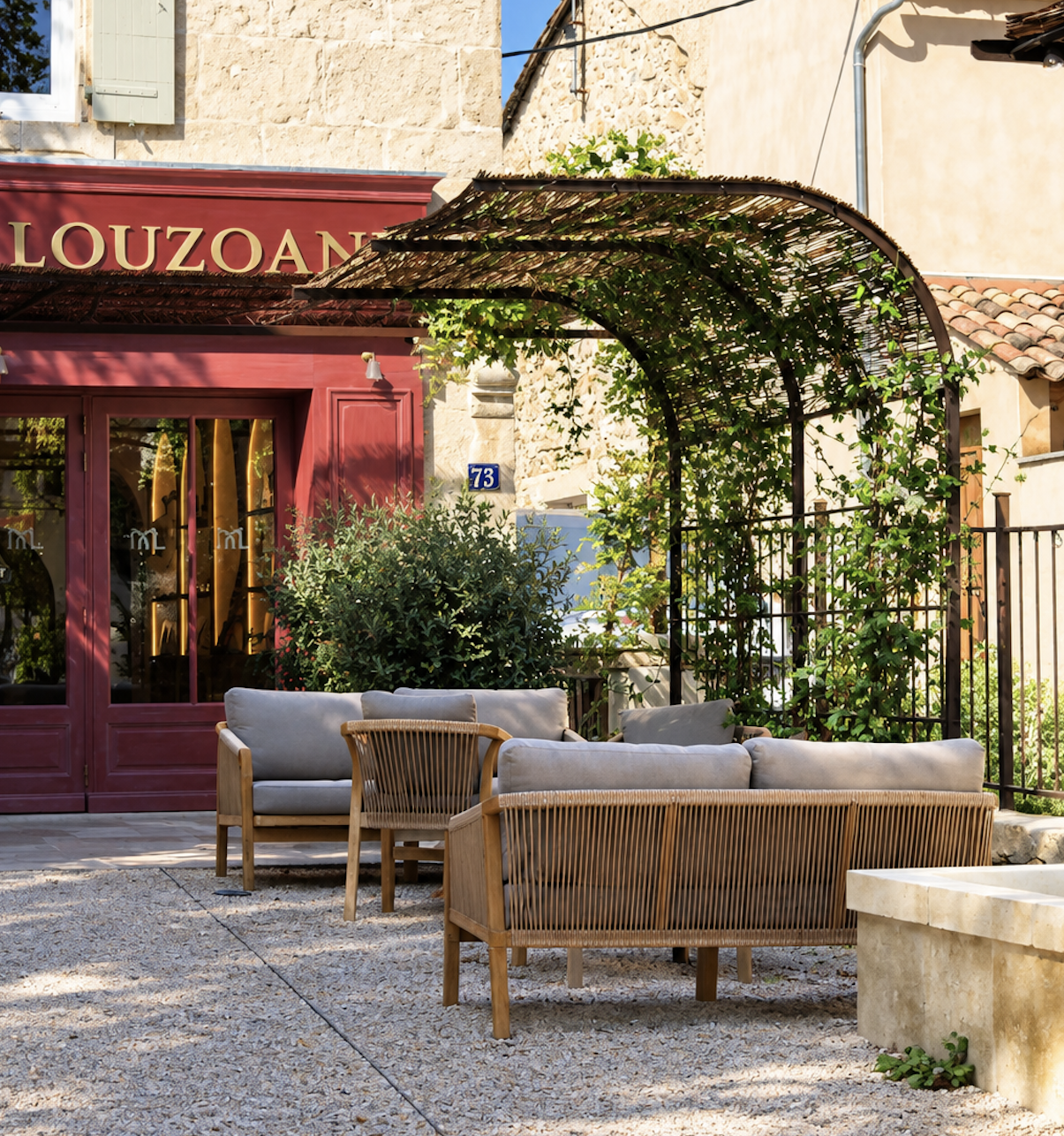
Construction of «aesthetically pleasing» pergolas»

A project by CT Metal Concept: curved metal structures to create shaded areas...

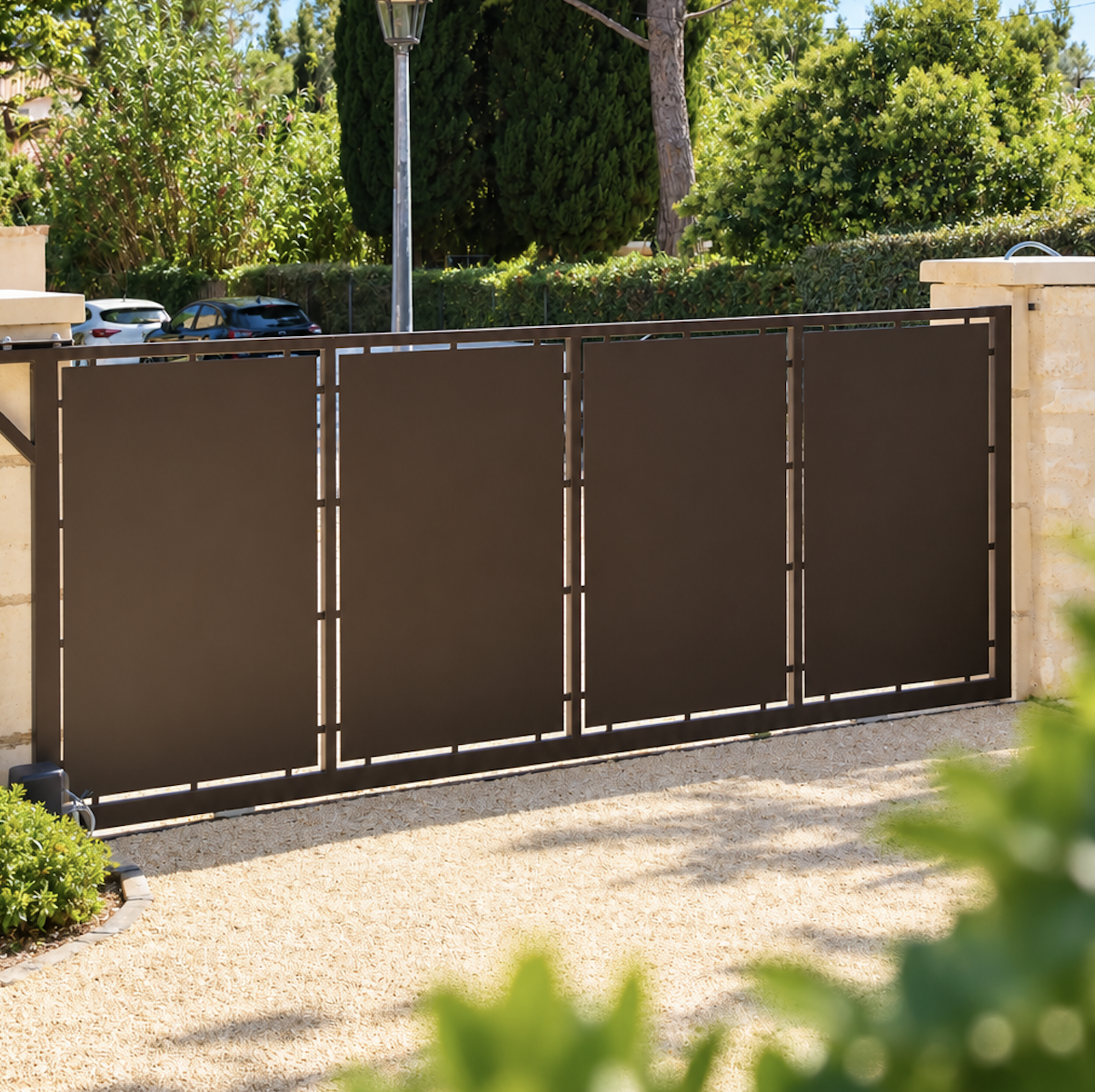
Installation of a sliding gate

Design of a sleek, sliding metal gate, comprising solid panels with...

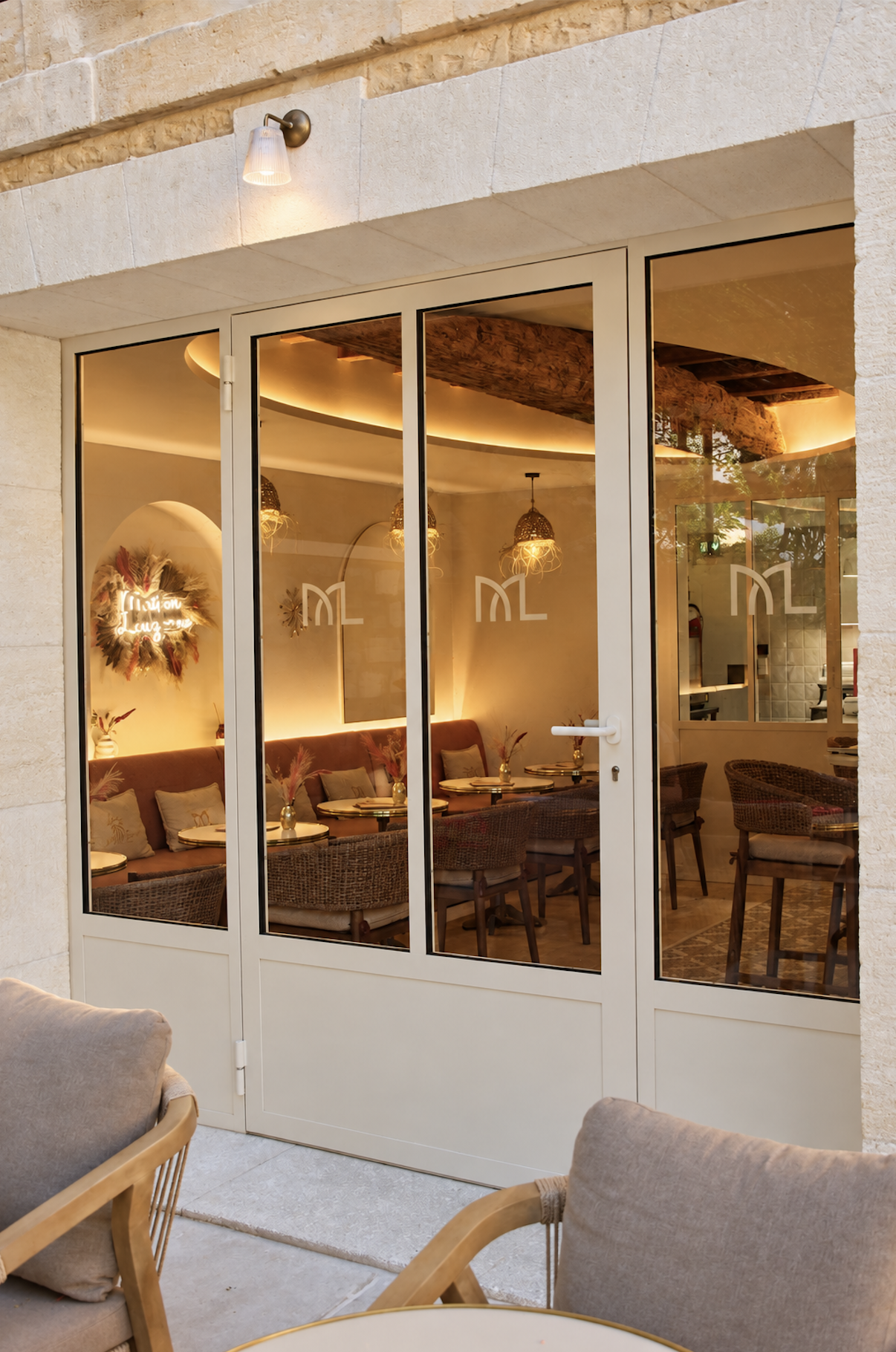
Fitting of a French window for an artisan food shop

Fabrication of a double-leaf French window, featuring fixed side panes. Its understated lines...

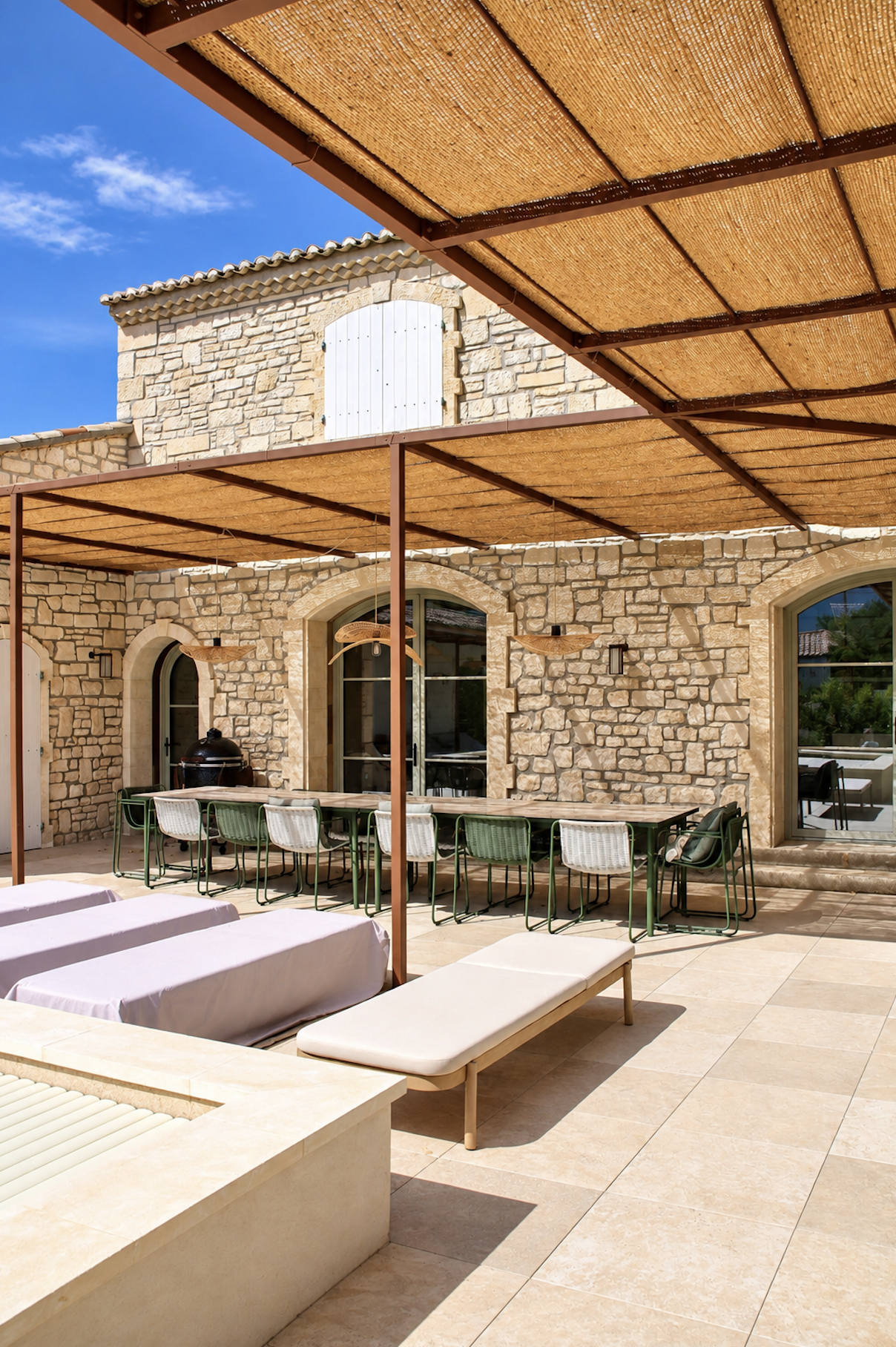
Building a pergola

The latest project from CT Metal Concept: a metal pergola with clean lines, clad in...

The first step in installing a pool safety railing is to carry out a thorough site assessment. It is crucial to take into account the dimensions of the pool, the characteristics of the land, and the specific features of the surrounding area. A thorough analysis helps to determine the number of sections required, the appropriate materials and the style of the railing, in keeping with the property’s overall design.

Choosing the right materials is an important step in the design of a balustrade. Common options include aluminium, stainless steel and glass. Aluminium is valued for its durability, corrosion resistance and light weight. Stainless steel offers a modern look, combined with exceptional strength. Glass, meanwhile, adds a touch of elegance whilst providing an unobstructed view of the swimming pool.

Once the materials have been selected, the design of the balustrade can be customised to suit the homeowner’s aesthetic preferences. Features such as the height, the shape of the balusters and the finishes can be adjusted to meet the specific requirements of each project. Some opt for more traditional designs, whilst others prefer clean, contemporary lines.

Safety is the primary purpose of a guardrail, and this is reflected in specific requirements, such as the minimum height required, structural strength and compliance with local standards. It is essential to comply with these standards to ensure adequate protection.

Completed in January 2024