
Skip to content

Wrought iron Bouches-du-Rhône

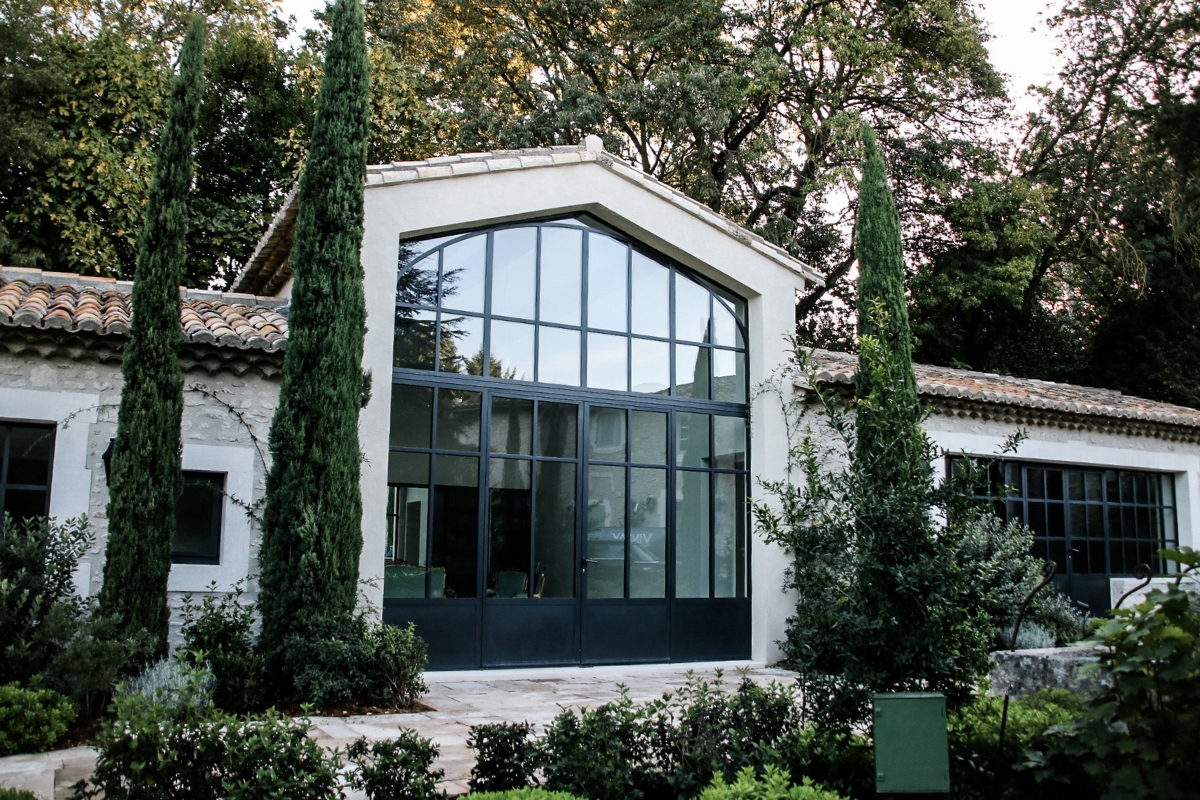
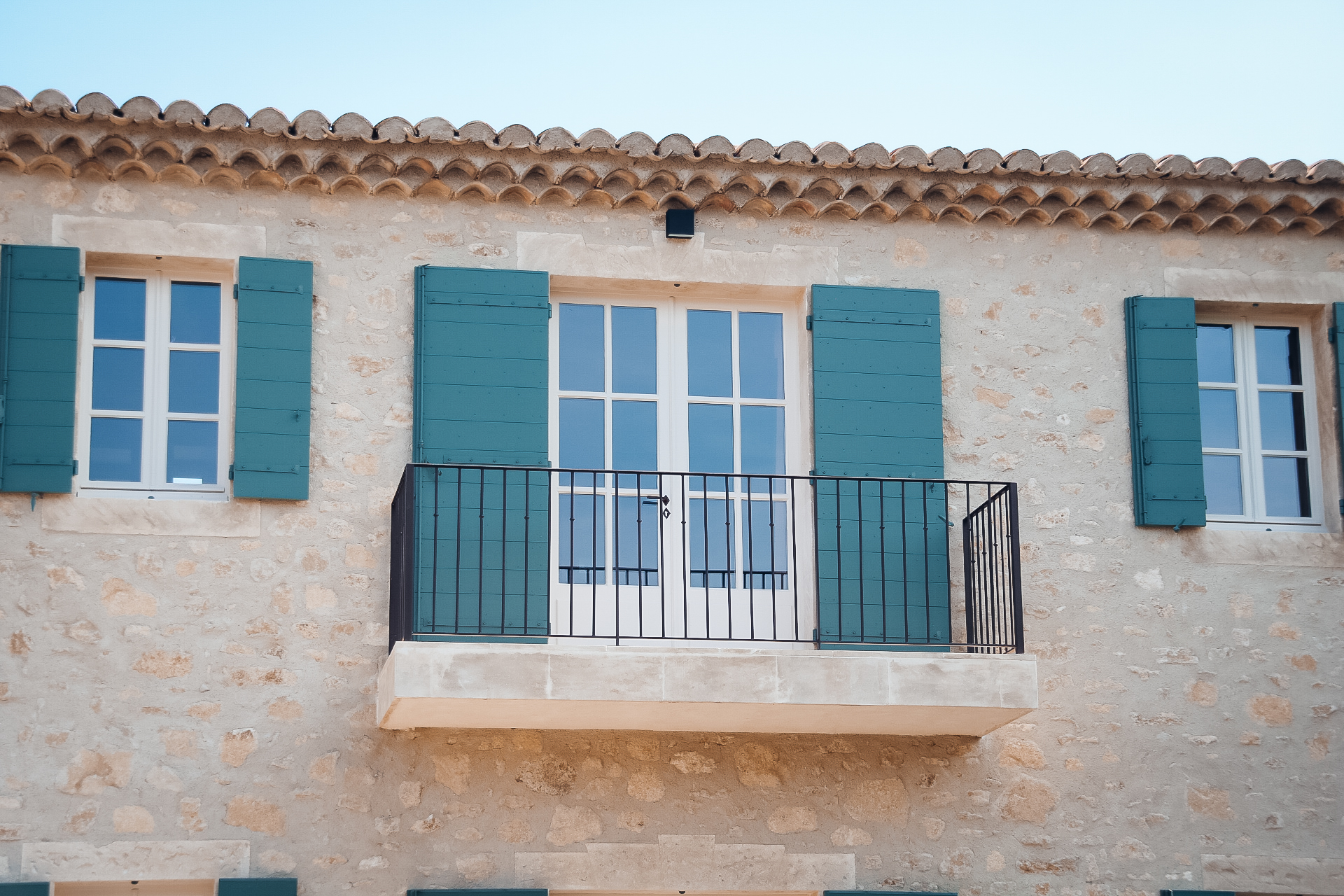
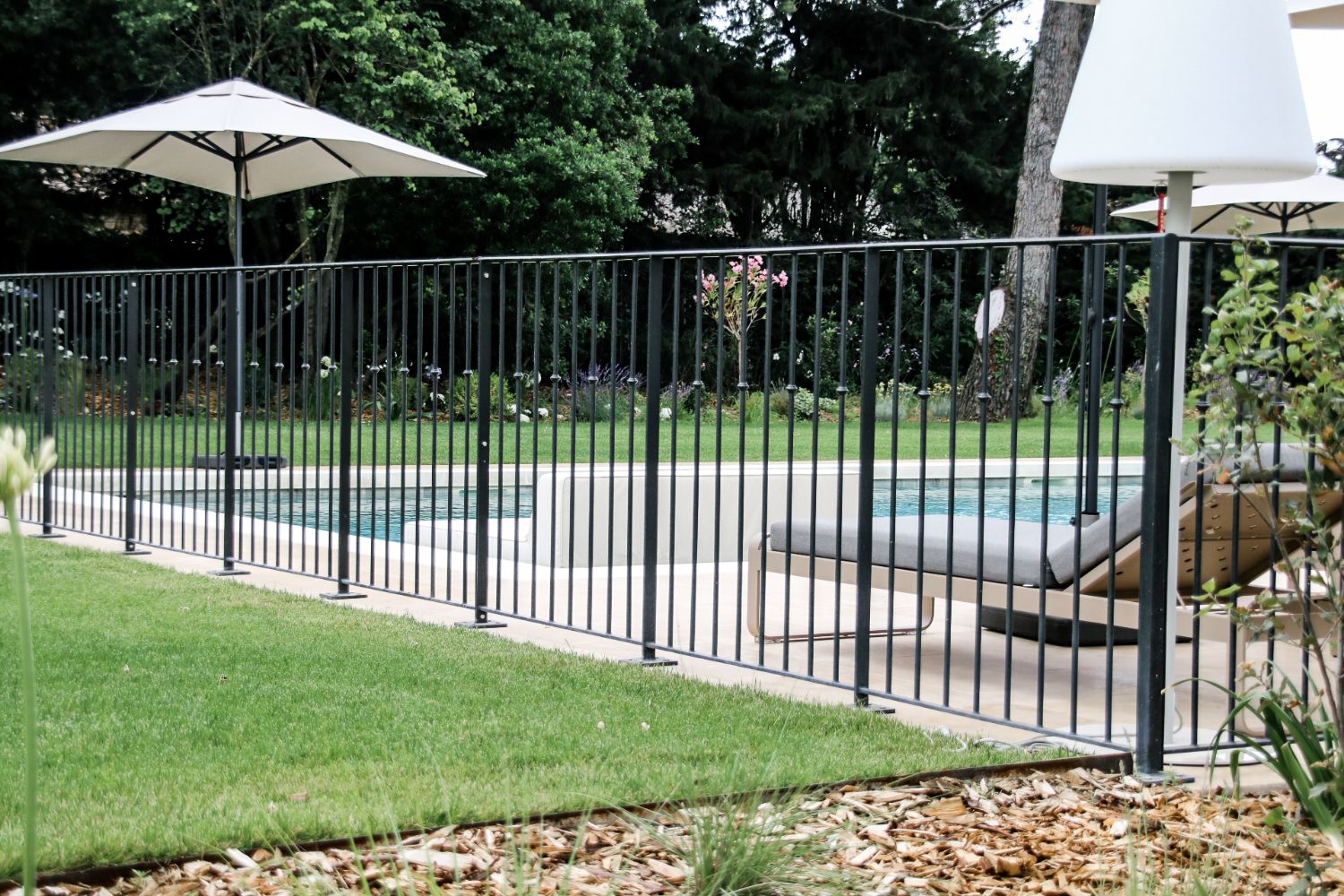
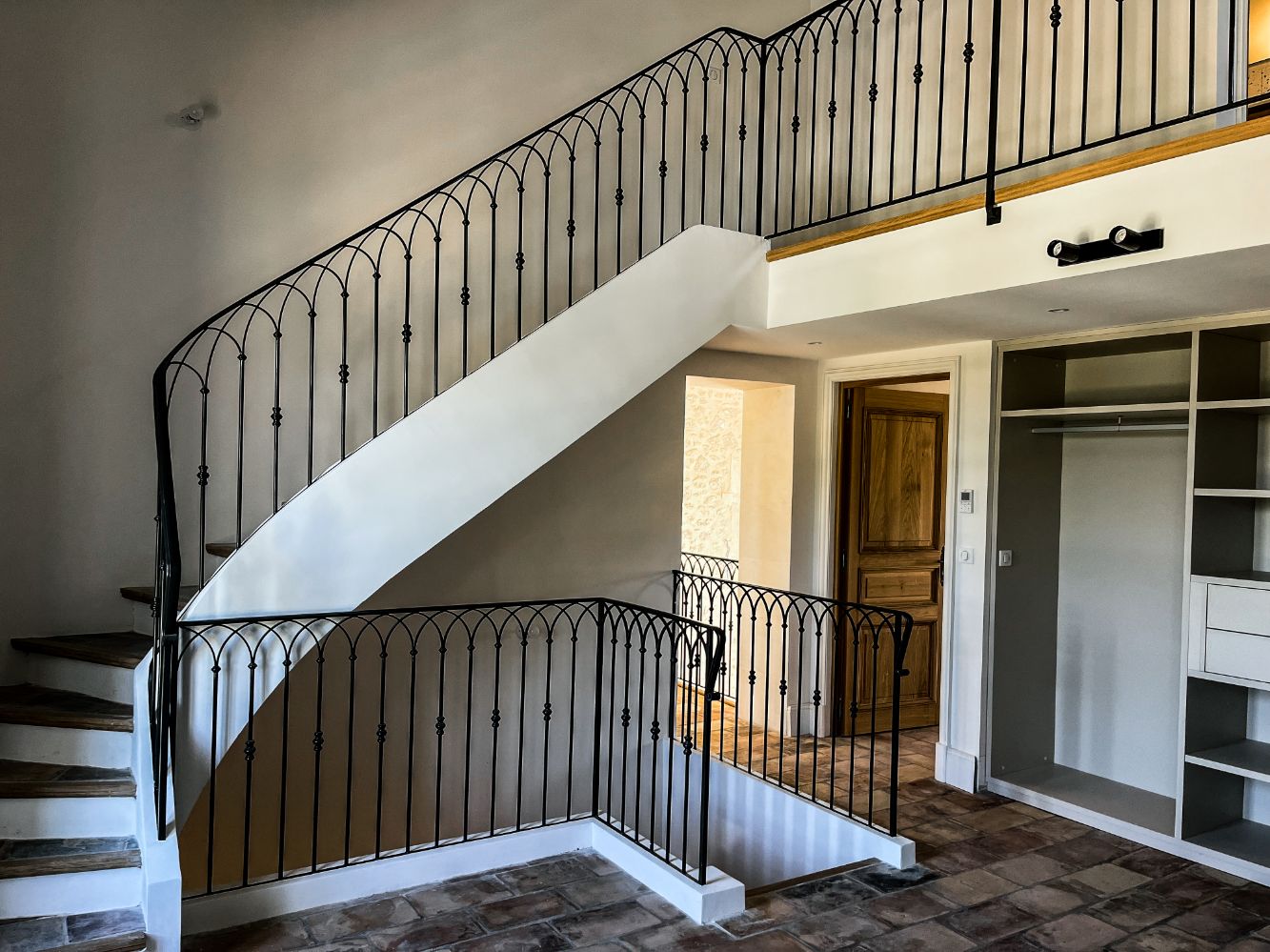
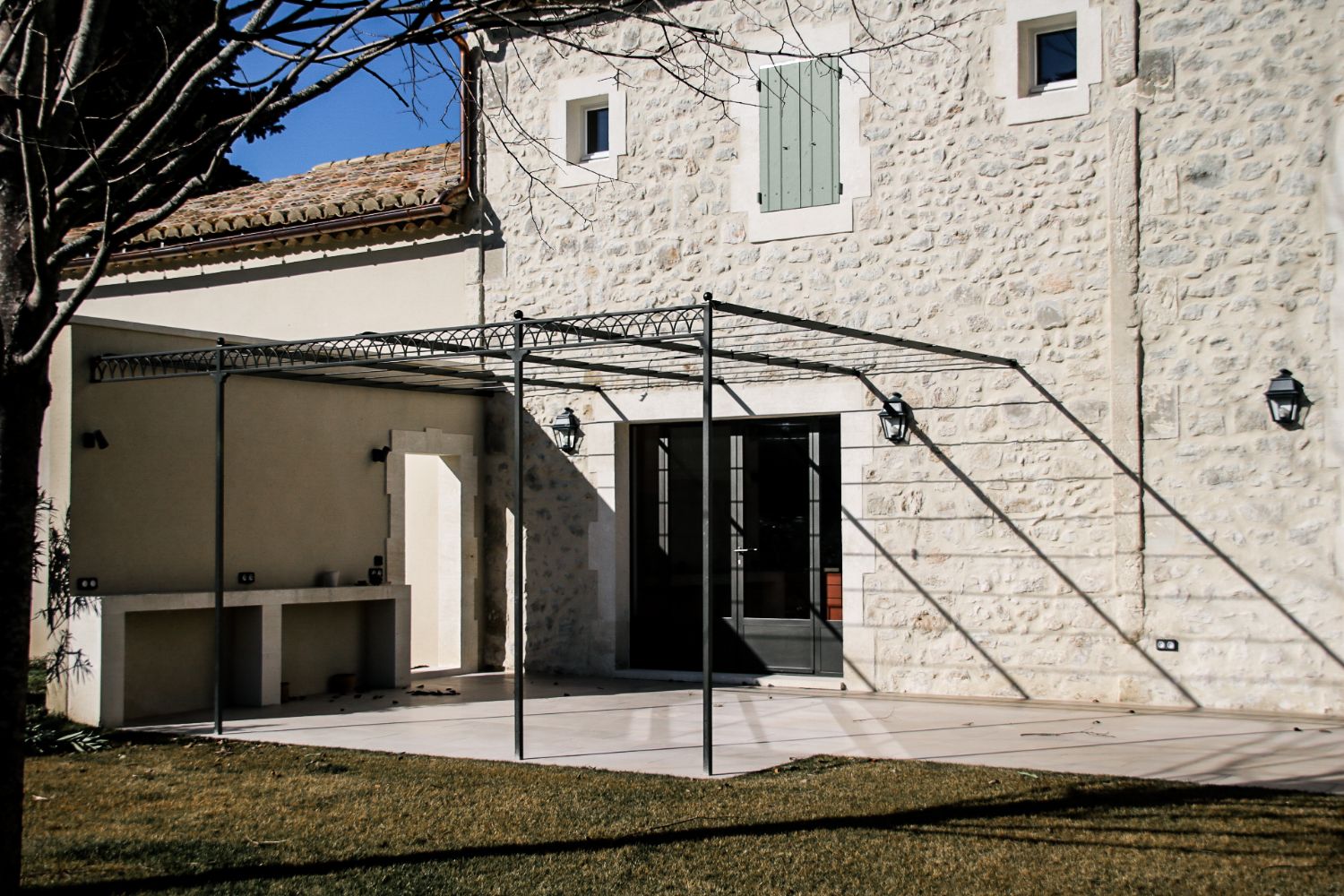
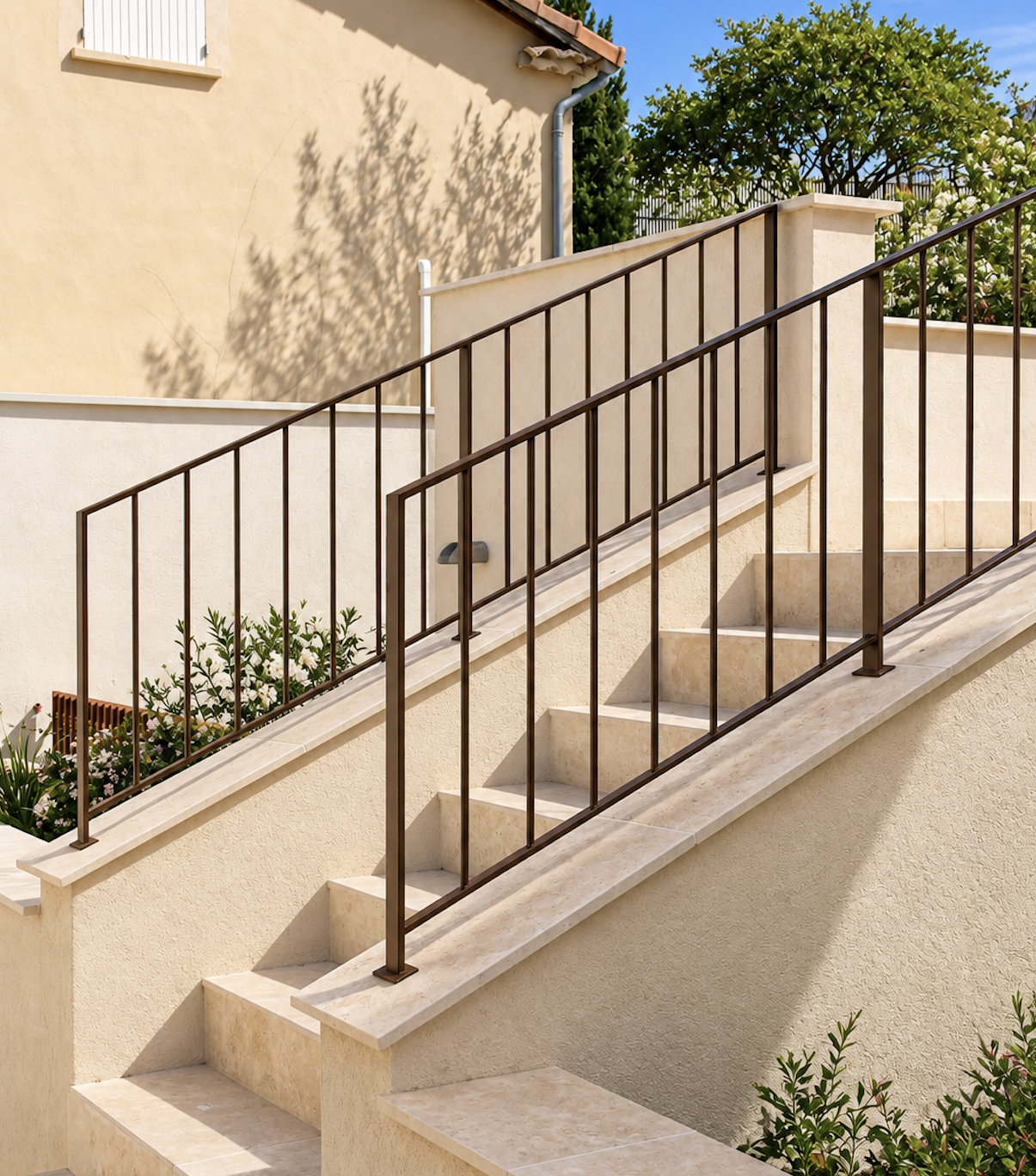
Wrought metal products combine traditional and modern techniques. In the building industry, wrought iron can take many forms: railings, banisters, decorative grilles, gates, canopies and much more.

Wrought ironwork is mainly associated with the fire of the forge, a technique that covers both hot and cold working of metal for decorative purposes. Each piece can be adapted to suit regional and architectural features.

Relying on the mastery of ancient techniques and the development of modern ones, including electric arc welding and water jet cutting, wrought ironwork requires a high level of expertise: mastery of execution goes hand in hand with a good knowledge of styles and the practice of drawing.

The design of a piece of metalwork is based on a drawing, usually freehand or computer-generated. It is the drawing that will also make it possible to distinguish between hot-worked elements and cold-worked decorations.

At the same time, the ironmonger has to analyse precisely all the normative aspects on which the work depends, so as to create a suitable frame or support. This is where the work is integrated.

The functional aspects of the work and the related trades with which the ironmonger works must also be taken into account. In fact, the durability of the work is an essential element, ensuring optimum protection against corrosion and facilitating future maintenance.

Very often, the assembly technique contributes to the final look of the ironwork. There are several possible assembly techniques: traditional solutions and modern welding techniques.

The last aspect to take into account is the finish, which depends on whether the work is indoors or outdoors, in an aggressive or non-aggressive environment, dry or damp. Indoors, finishes include waxes, varnishes, paints, patinas and so on. Externally, they are often sandblasted, shot-blasted, metallised, painted or powder-coated.

CT Métal concept in the Bouches-du-Rhône puts its know-how and experience at your disposal to carry out all your ironwork.

Our latest projects

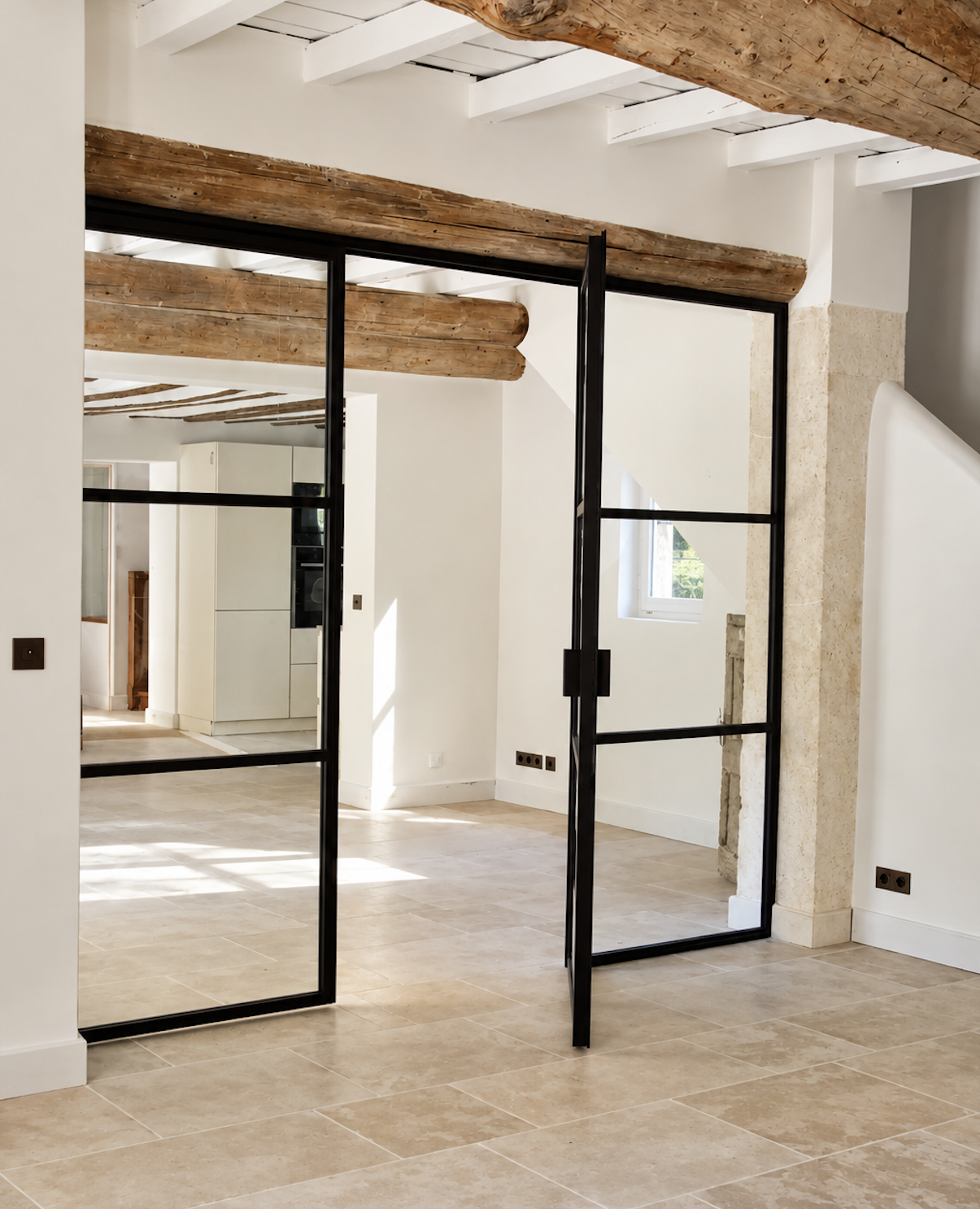
Creating an interior glass roof

CT Métal Concept presents this made-to-measure interior glass roof, designed to delimit the...

Creation of a carport

CT Métal Concept is proud to present this custom-built carport that combines sleek lines...

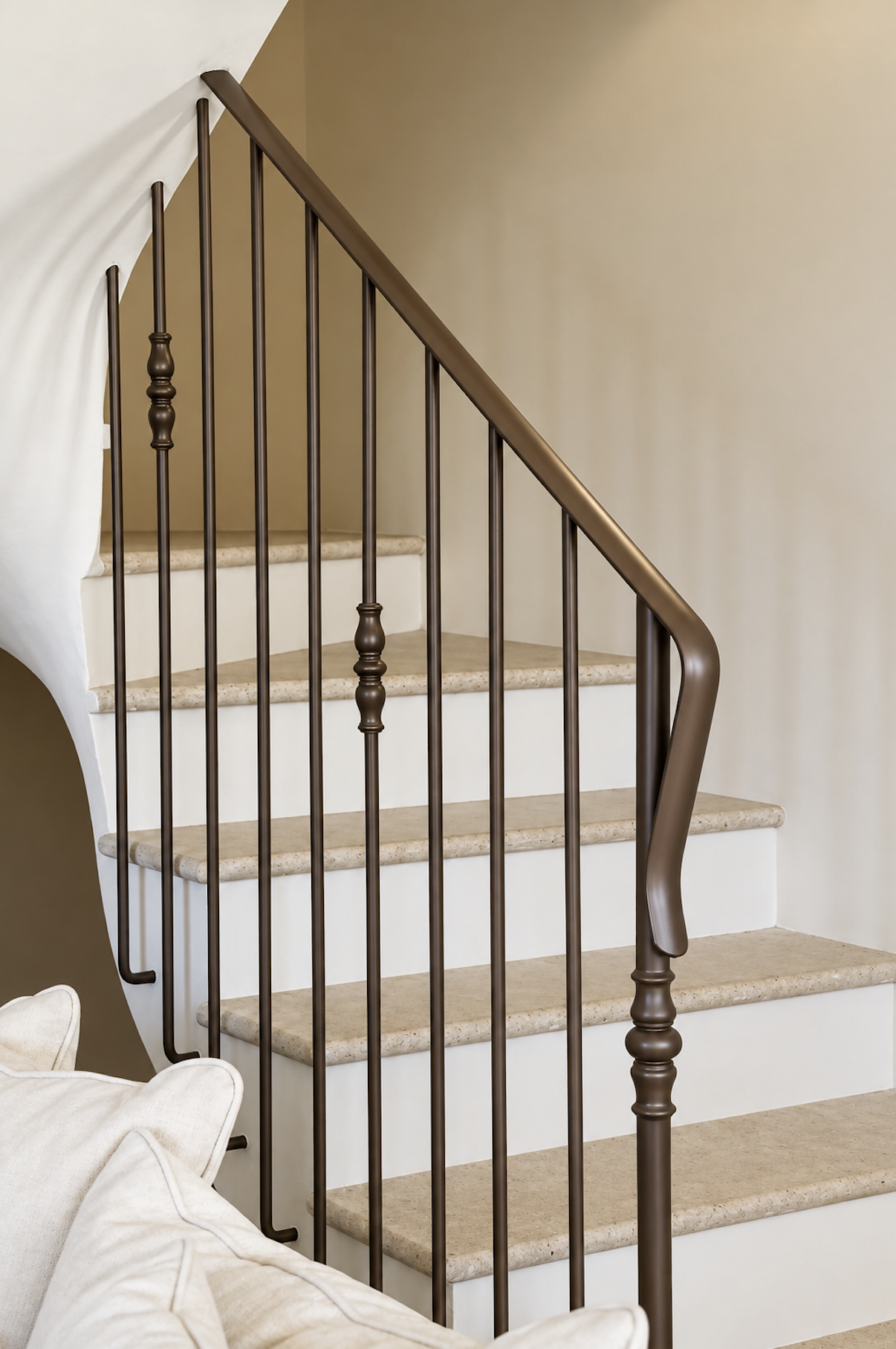
Creating a staircase banister

CT Métal Concept presents this elegant made-to-measure banister, created in Saint-Rémy-de-Provence....

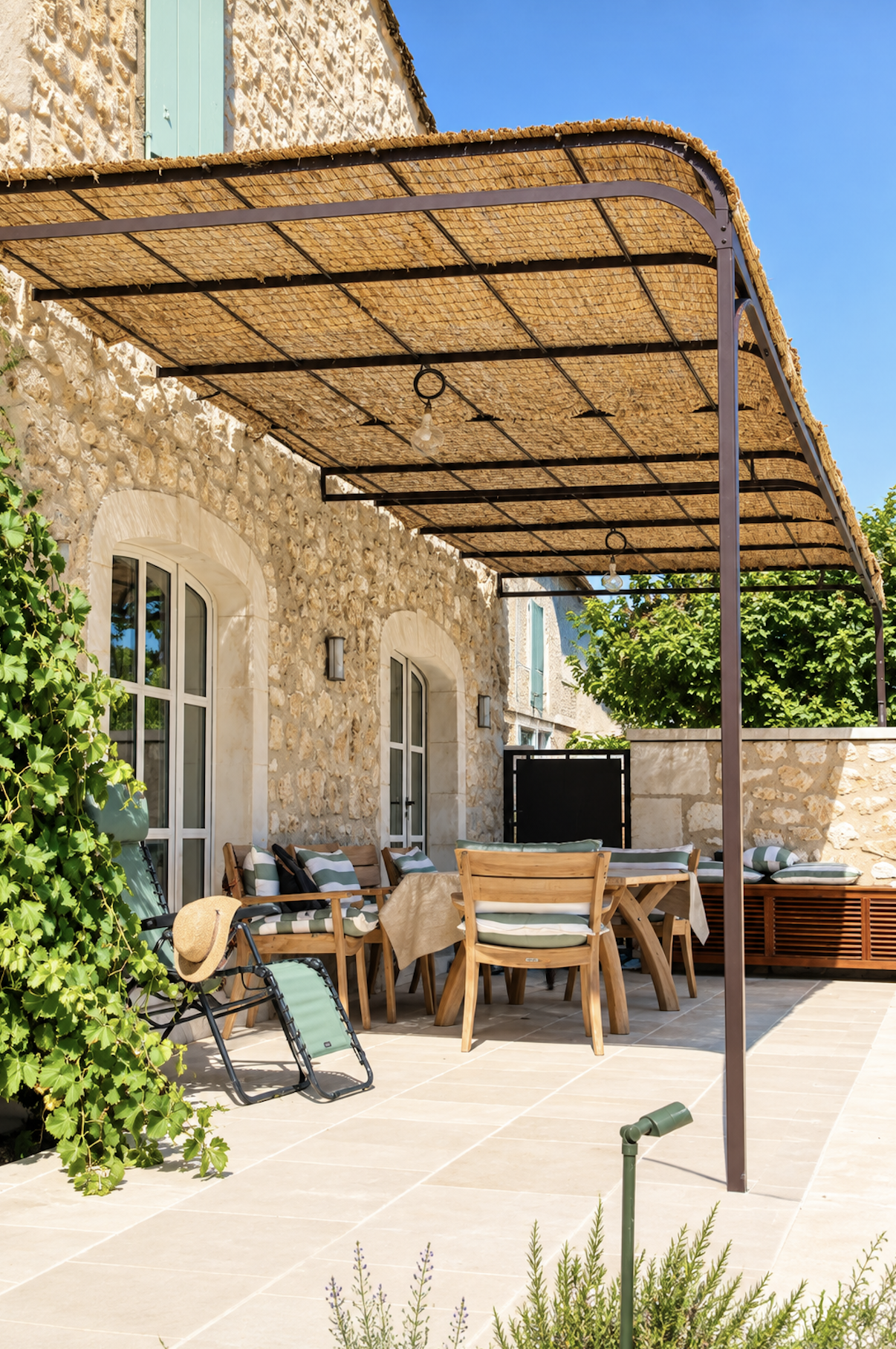
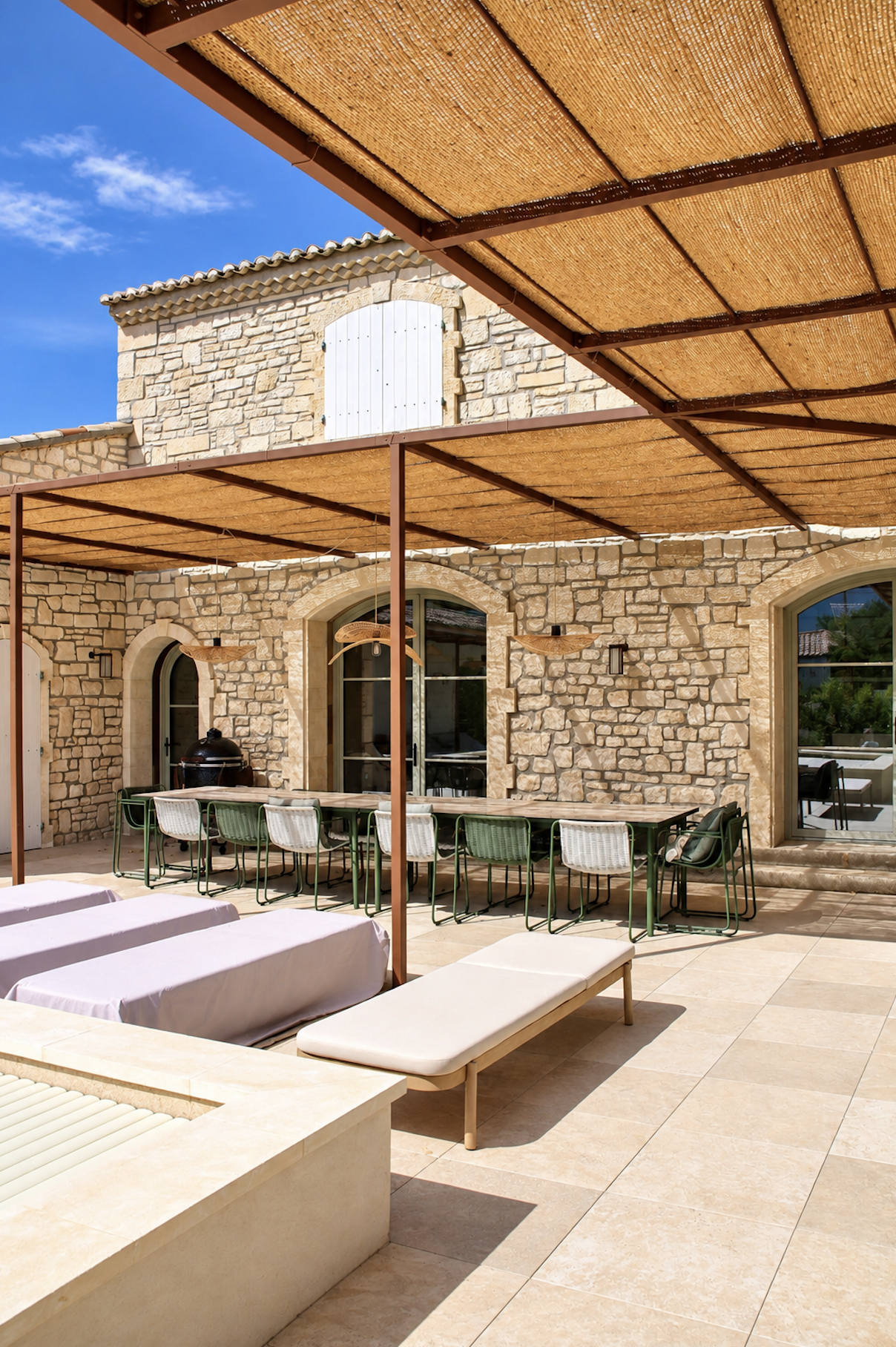
Building a pergola

CT Métal Concept designed and installed a made-to-measure pergola in Saint-Rémy-de-Provence. Designed...

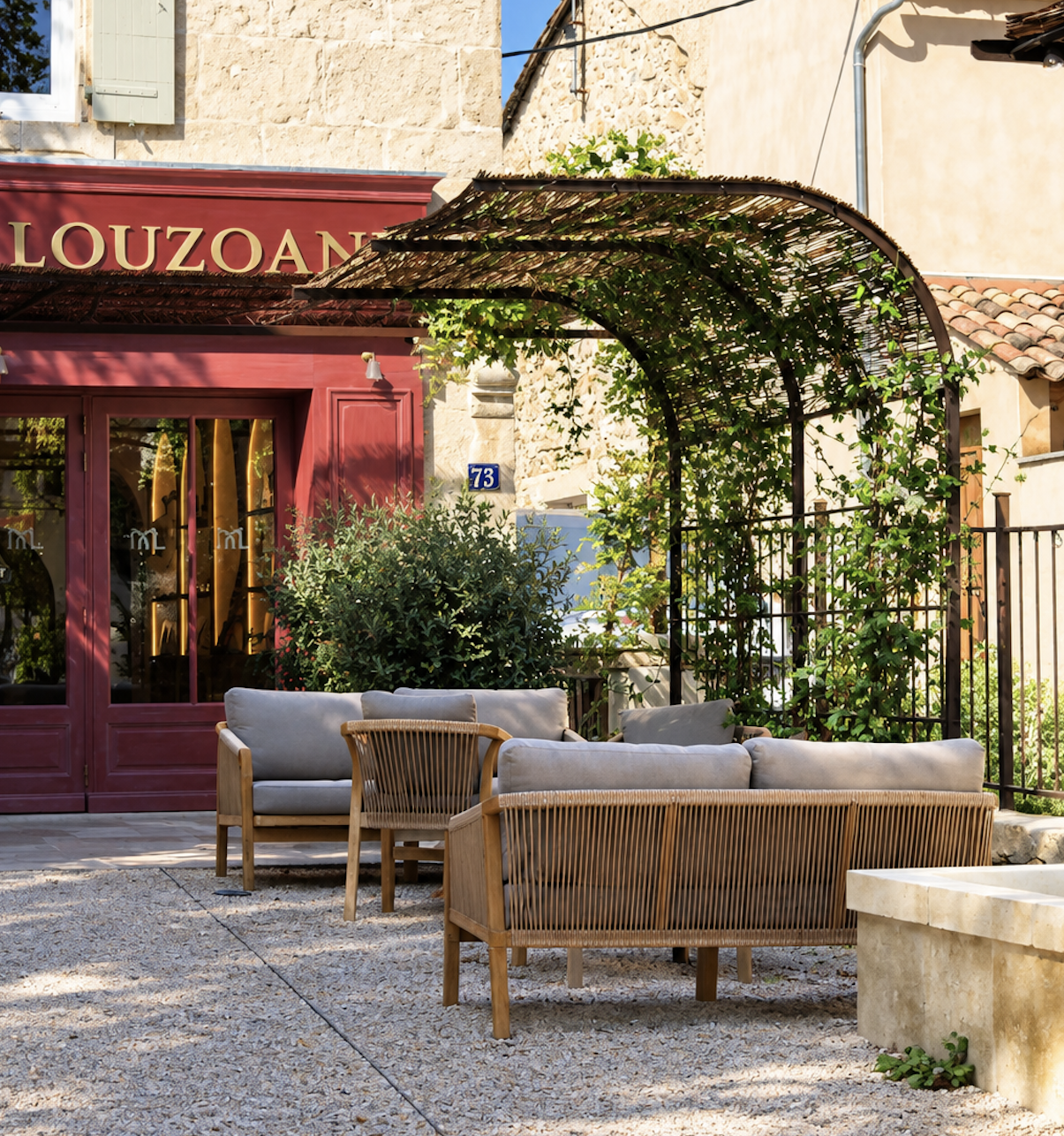
Creating lettering

CT Métal Concept produced and installed bespoke lettering for the Hôtel le...

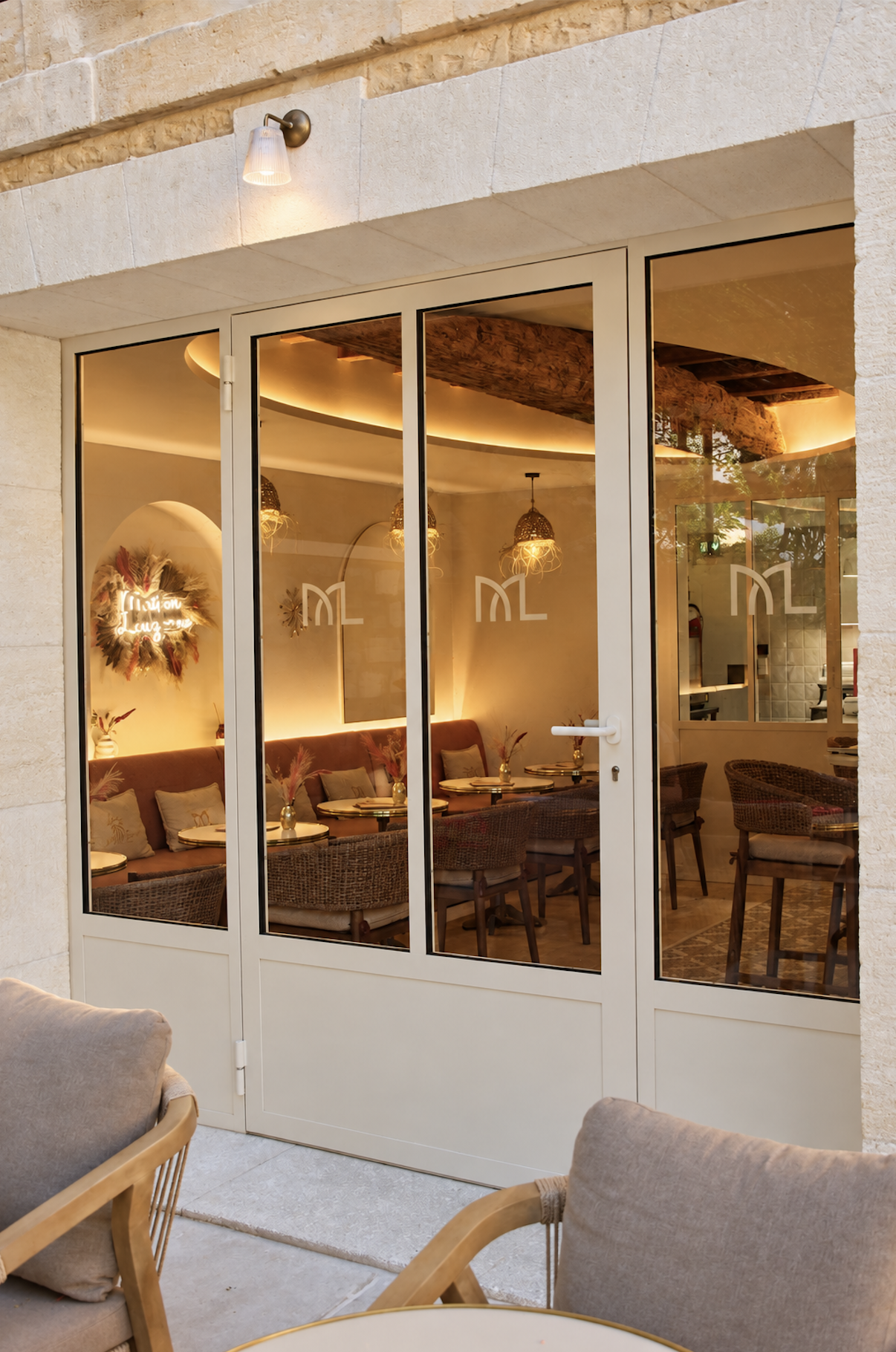
Making a sign

CT Métal Concept designed and installed the new wrought iron front for La...

Building a pergola

CT Métal Concept designed and installed a made-to-measure pergola, combining robustness and...

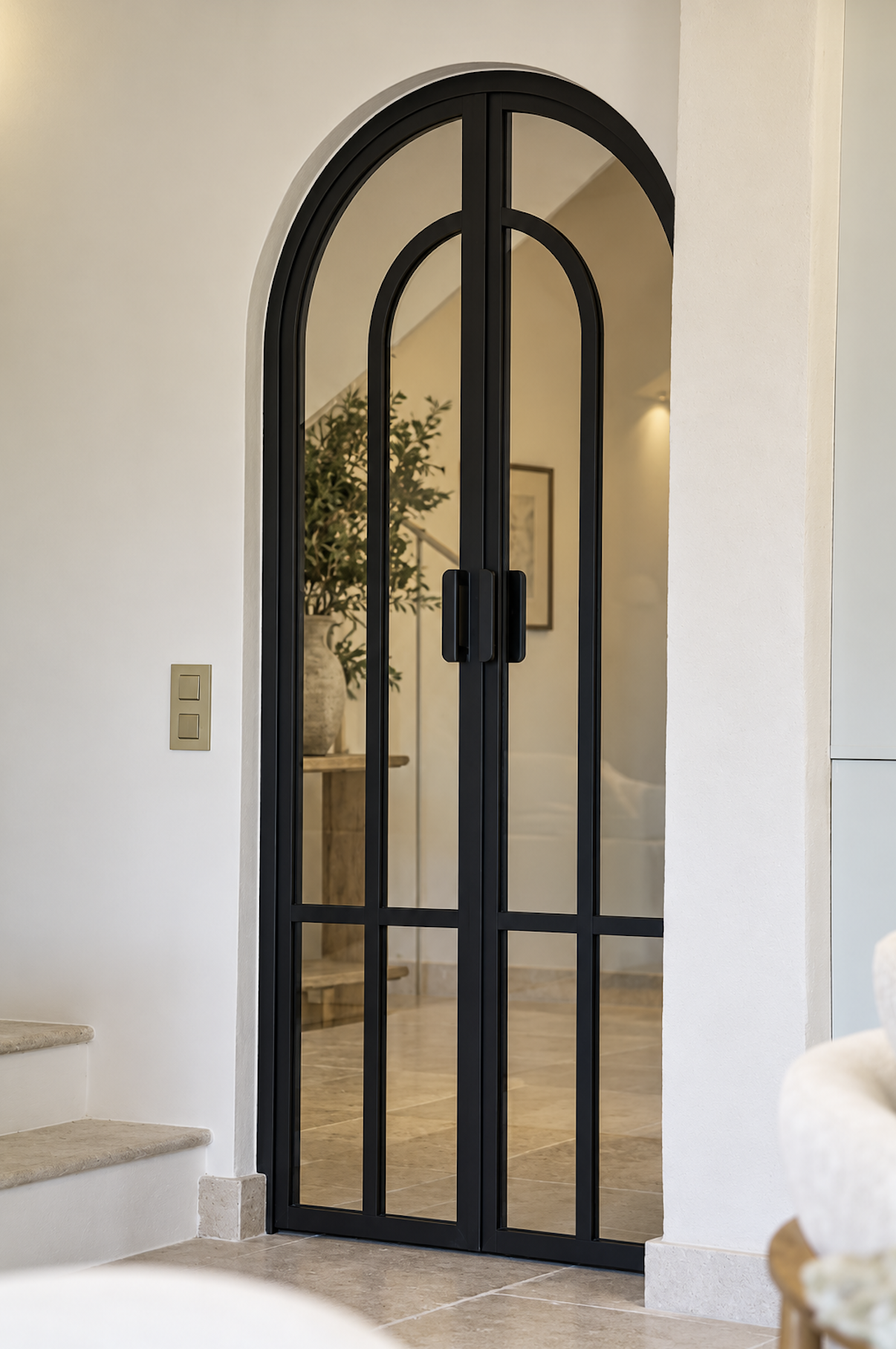
Making bay windows

CT Métal Concept recently completed an installation of bay windows, combining aesthetics and...

Creating a staircase banister

CT Métal Concept presents this elegant staircase banister, made-to-measure to fit perfectly...

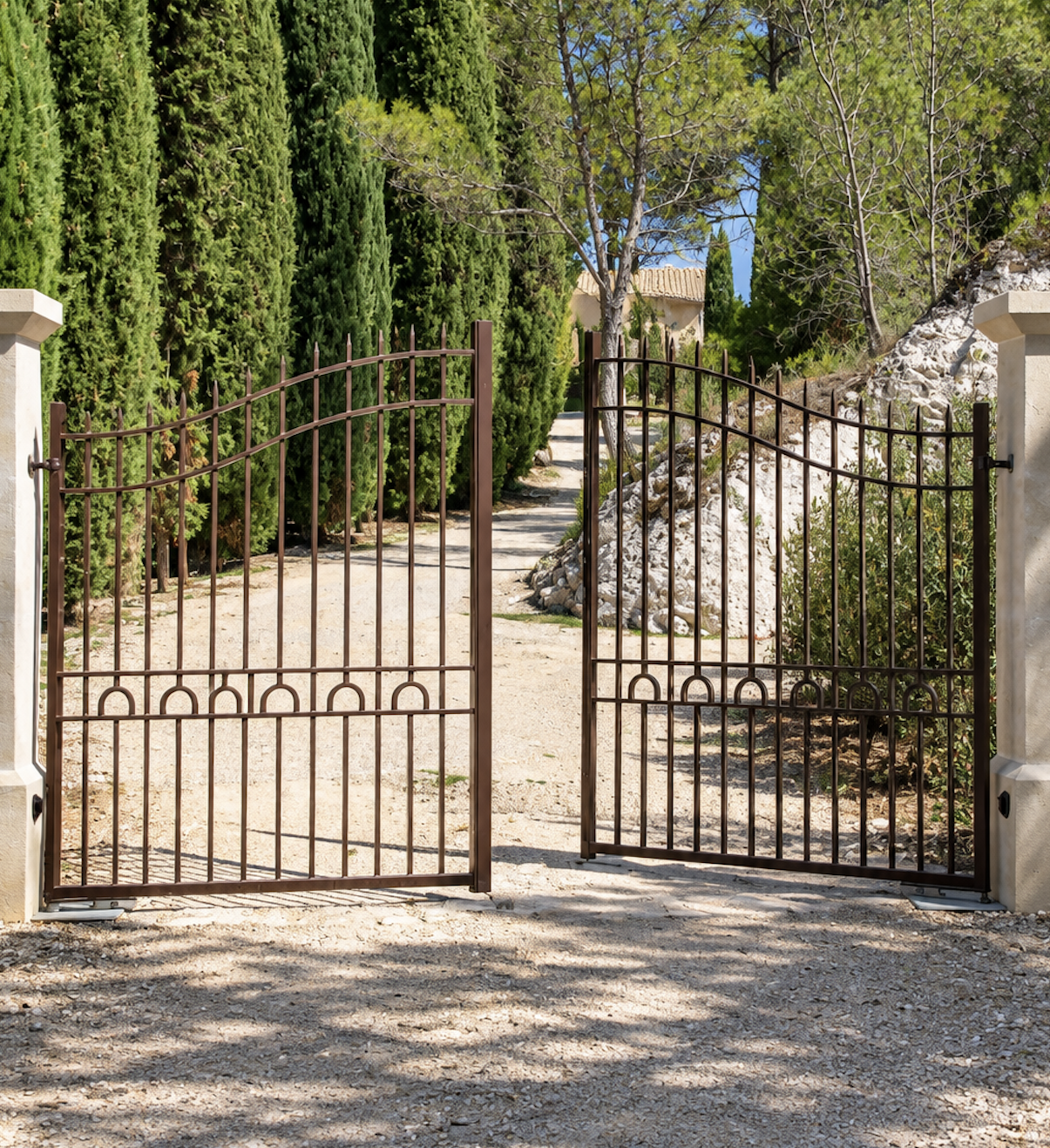
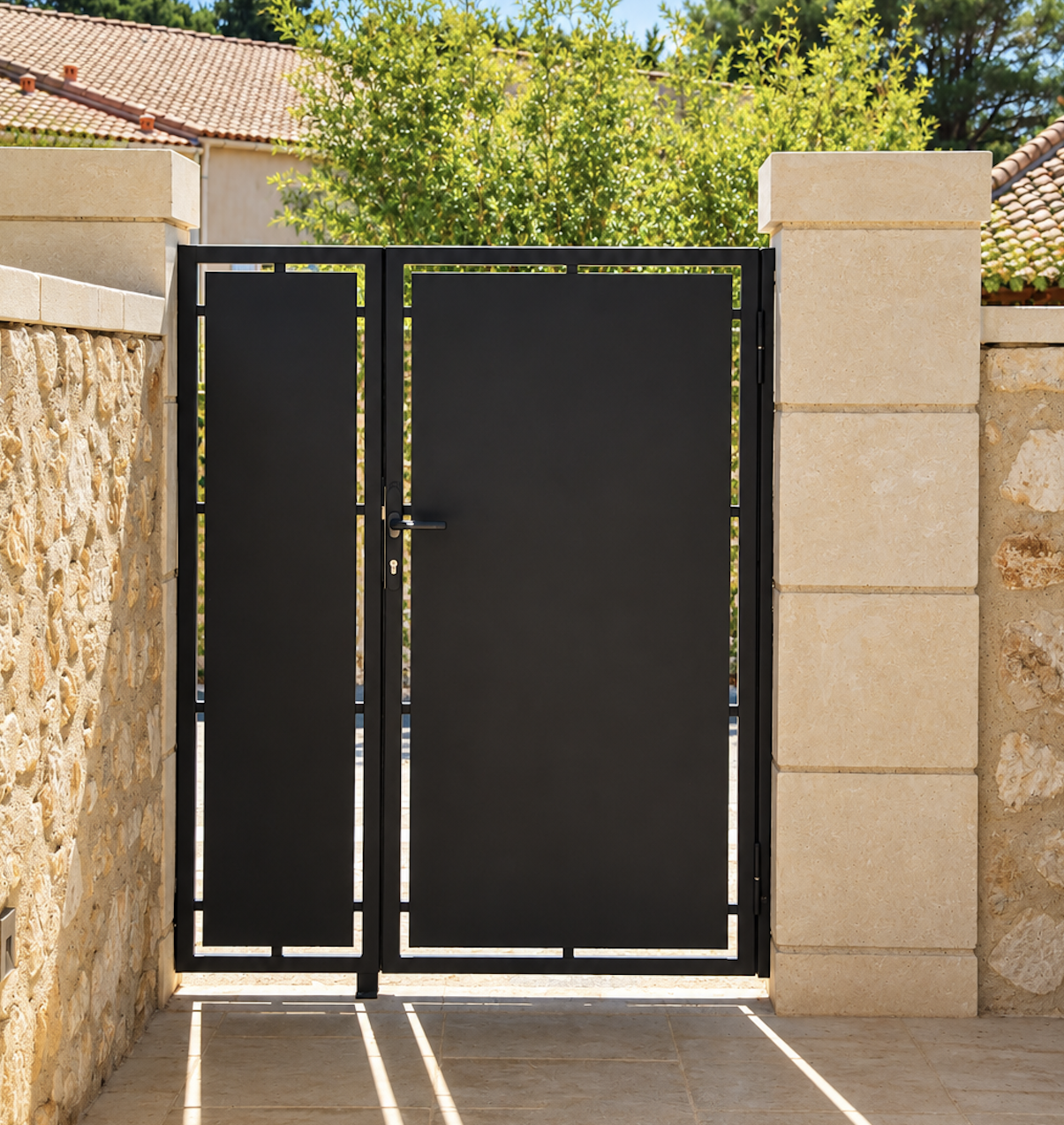
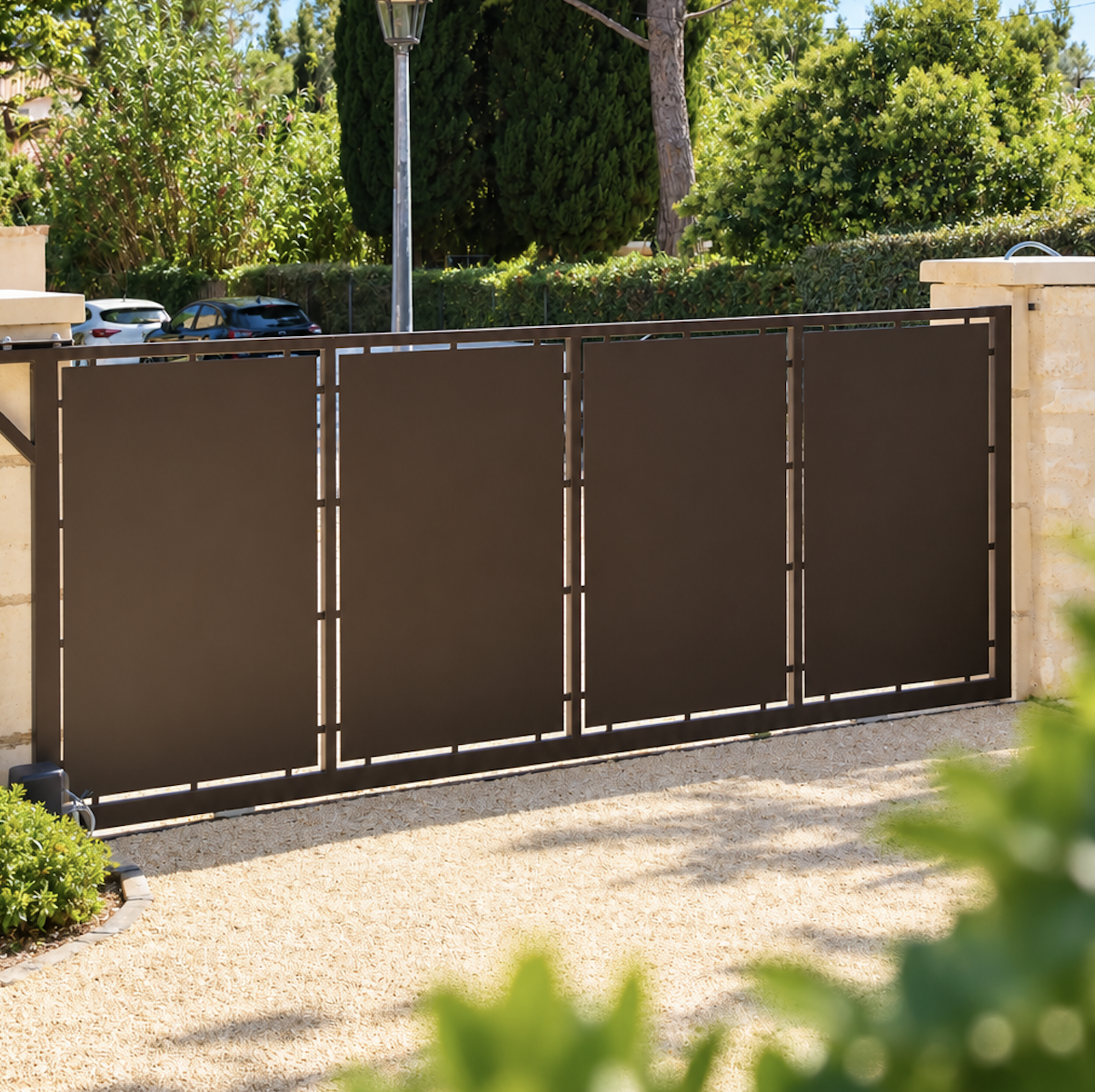
Creation of a gate

We designed and installed this made-to-measure gate, combining safety, aesthetics and durability. This...

Creation of an interior glass walkway

Project features: Transparency and design: The glazed walkway creates a feeling of...

Creating a suspended pergola

We make it a point of honour to design unique structures that are tailored to your needs...

Wrought metal products combine traditional and modern techniques. In the building industry, wrought iron can take many forms: railings, banisters, decorative grilles, gates, canopies and much more.

Wrought ironwork is mainly associated with the fire of the forge, a technique that covers both hot and cold working of metal for decorative purposes. Each piece can be adapted to suit regional and architectural features.

Relying on the mastery of ancient techniques and the development of modern ones, including electric arc welding and water jet cutting, wrought ironwork requires a high level of expertise: mastery of execution goes hand in hand with a good knowledge of styles and the practice of drawing.

The design of a piece of metalwork is based on a drawing, usually freehand or computer-generated. It is the drawing that will also make it possible to distinguish between hot-worked elements and cold-worked decorations.

At the same time, the ironmonger has to analyse precisely all the normative aspects on which the work depends, so as to create a suitable frame or support. This is where the work is integrated.

The functional aspects of the work and the related trades with which the ironmonger works must also be taken into account. In fact, the durability of the work is an essential element, ensuring optimum protection against corrosion and facilitating future maintenance.

Very often, the assembly technique contributes to the final look of the ironwork. There are several possible assembly techniques: traditional solutions and modern welding techniques.

The last aspect to take into account is the finish, which depends on whether the work is indoors or outdoors, in an aggressive or non-aggressive environment, dry or damp. Indoors, finishes include waxes, varnishes, paints, patinas and so on. Externally, they are often sandblasted, shot-blasted, metallised, painted or powder-coated.

CT Métal concept in the Bouches-du-Rhône puts its know-how and experience at your disposal to carry out all your ironwork.