Skip to content

Creating a complete staircase

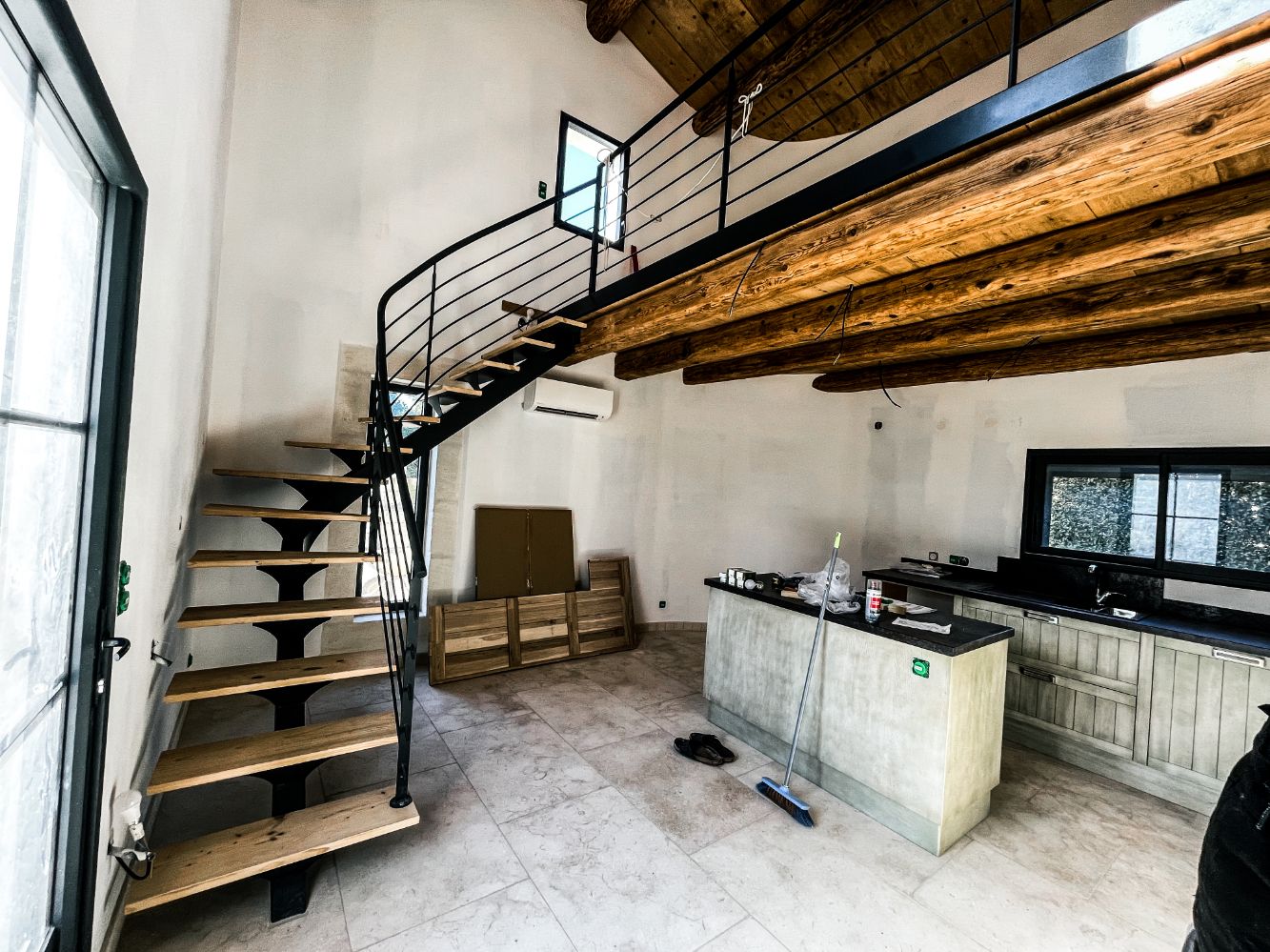
The creation and installation of a complete staircase are important projects in the construction or renovation of a home. Not only are these elements essential for the safety and functionality of your home, but they can also have a significant impact on the appearance and aesthetics of your interior.

Discover the different stages involved in creating and installing a complete staircase, as well as the materials and design options available.

Step 1: Staircase design

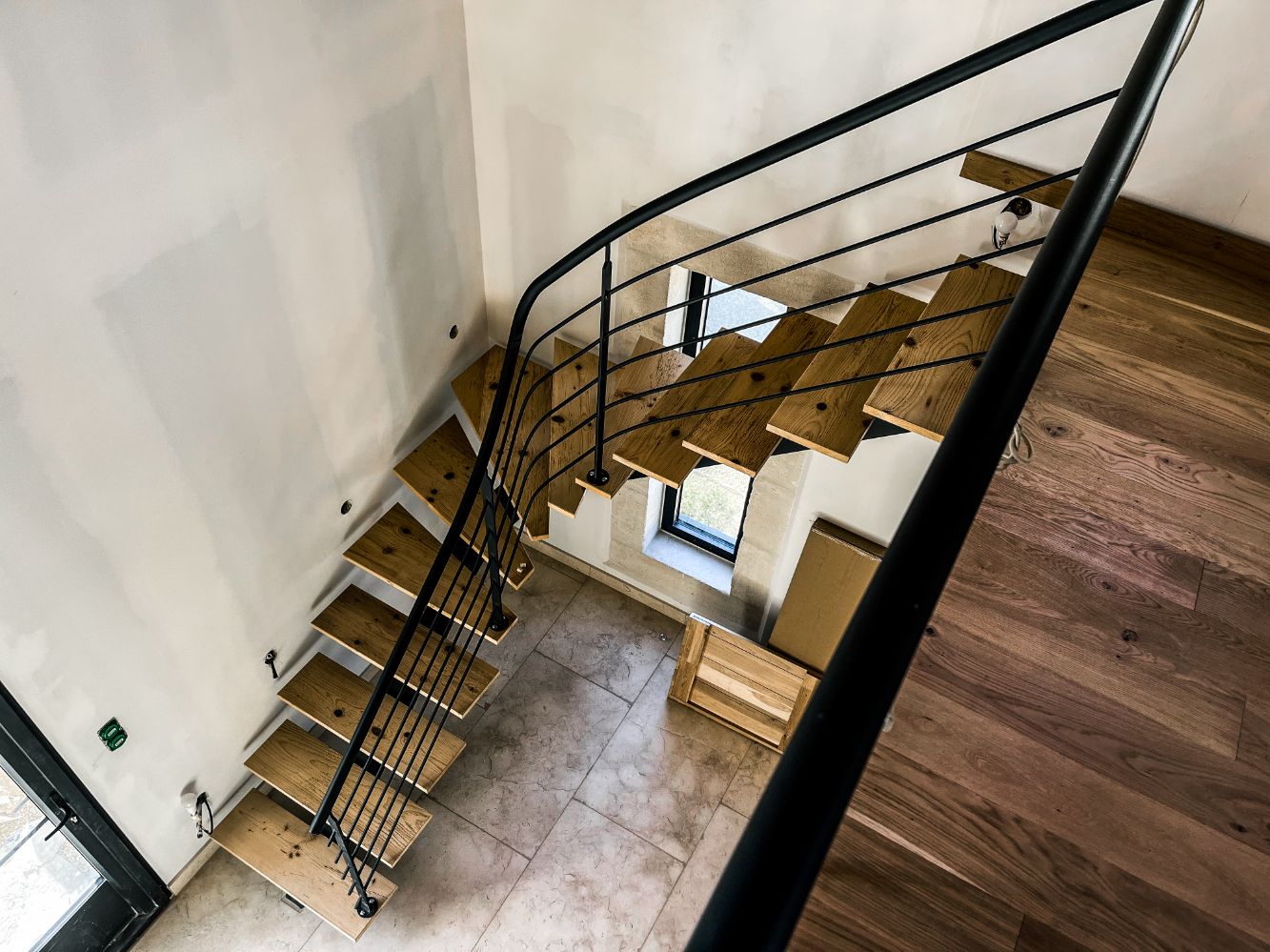
The first step in creating a staircase is design. You need to decide on the shape, size and style of staircase that will best suit your home. It is important to take into account the space available and the functionality of the staircase. There are several types of staircase, including straight, spiral, curved and suspended.

It is also important to choose the materials that will be used to build the staircase. The most common materials used to build a staircase are wood, metal and concrete. Each material has its advantages and disadvantages in terms of cost, durability and aesthetics.

Step 2: Building the staircase

Once the design of the staircase has been finalised, construction can begin. Wooden staircases are often built using stringers, treads and risers. Stringers are the vertical supports on either side of the staircase, while treads are the horizontal platforms on which people walk. Risers are the vertical panels between the steps.

Metal staircases can be built using steel tubes or flat bars. Concrete staircases are cast in a mould to the desired shape. Spiral staircases are often prefabricated and assembled on site.

Step 3: Installing the railings and banisters

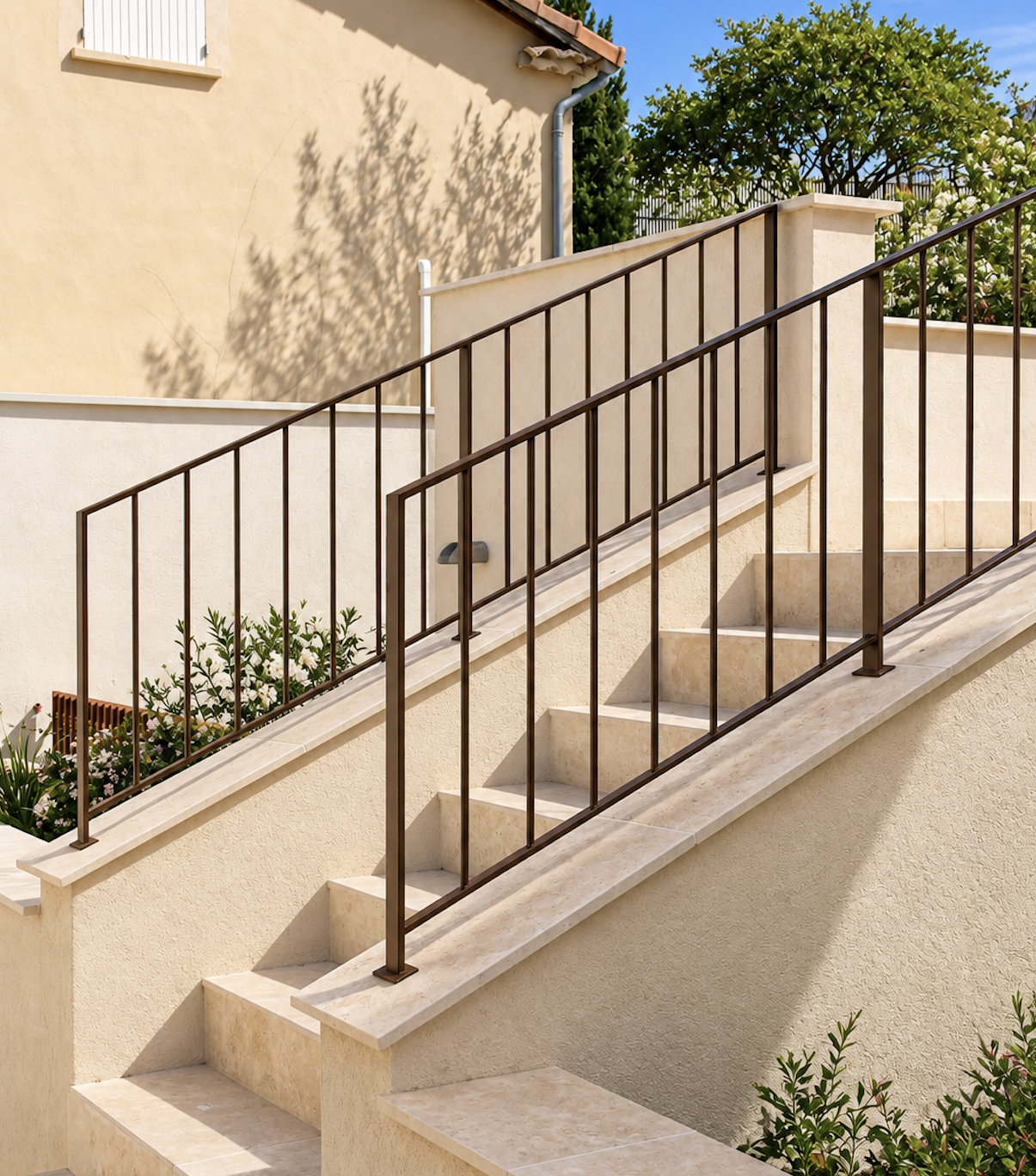
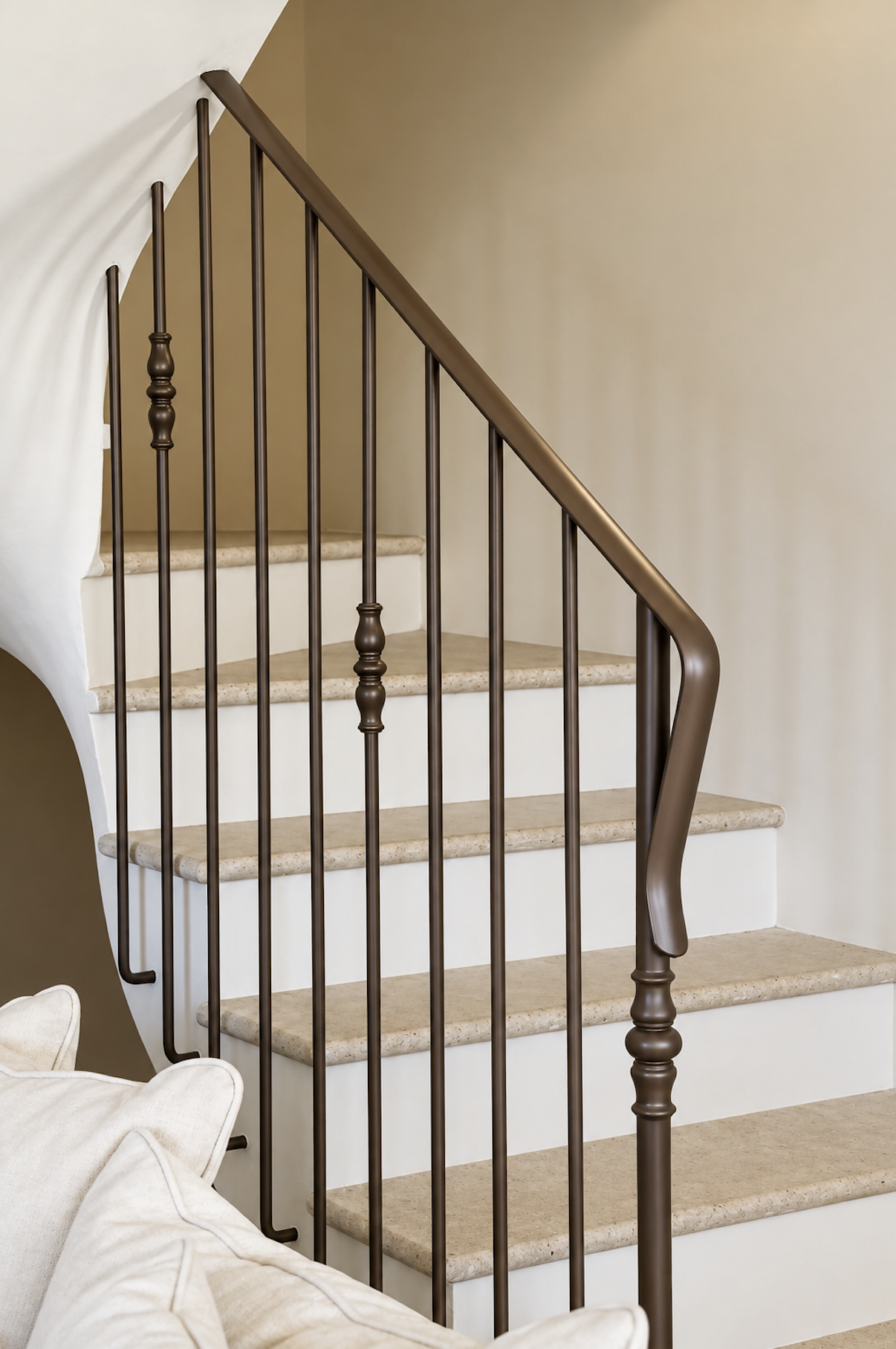
Once the staircase has been built, the balustrade and banister must be installed. The banister is a safety barrier that prevents people from falling off the staircase. The banister is a handrail that allows people to hold on when going up or down the stairs.

The most common materials used for railings and banisters are wood, metal and glass. Each material has its advantages and disadvantages in terms of cost, durability and aesthetics.

Stage 4: Finishing

Finishes vary depending on the materials used to build the staircase and the style of the staircase: varnish, paint, oil, polish or coating.

Completed in April 2023
Our latest projects

Creating an interior glass roof

CT Métal Concept presents this made-to-measure interior glass roof, designed to delimit the...

Creation of a carport

CT Métal Concept is proud to present this custom-built carport that combines sleek lines...

Creating a staircase banister

CT Métal Concept presents this elegant made-to-measure banister, created in Saint-Rémy-de-Provence....

Building a pergola

CT Métal Concept designed and installed a made-to-measure pergola in Saint-Rémy-de-Provence. Designed...

Creating lettering

CT Métal Concept produced and installed bespoke lettering for the Hôtel le...

Making a sign

CT Métal Concept designed and installed the new wrought iron front for La...

Building a pergola

CT Métal Concept designed and installed a made-to-measure pergola, combining robustness and...

Making bay windows

CT Métal Concept recently completed an installation of bay windows, combining aesthetics and...

Creating a staircase banister

CT Métal Concept presents this elegant staircase banister, made-to-measure to fit perfectly...

Creation of a gate

We designed and installed this made-to-measure gate, combining safety, aesthetics and durability. This...

Creation of an interior glass walkway

Project features: Transparency and design: The glazed walkway creates a feeling of...

Creating a suspended pergola

We make it a point of honour to design unique structures that are tailored to your needs...

The creation and installation of a complete staircase are important projects in the construction or renovation of a home. Not only are these elements essential for the safety and functionality of your home, but they can also have a significant impact on the appearance and aesthetics of your interior.

Discover the different stages involved in creating and installing a complete staircase, as well as the materials and design options available.

Step 1: Staircase design

The first step in creating a staircase is design. You need to decide on the shape, size and style of staircase that will best suit your home. It is important to take into account the space available and the functionality of the staircase. There are several types of staircase, including straight, spiral, curved and suspended.

It is also important to choose the materials that will be used to build the staircase. The most common materials used to build a staircase are wood, metal and concrete. Each material has its advantages and disadvantages in terms of cost, durability and aesthetics.

Step 2: Building the staircase

Once the design of the staircase has been finalised, construction can begin. Wooden staircases are often built using stringers, treads and risers. Stringers are the vertical supports on either side of the staircase, while treads are the horizontal platforms on which people walk. Risers are the vertical panels between the steps.

Metal staircases can be built using steel tubes or flat bars. Concrete staircases are cast in a mould to the desired shape. Spiral staircases are often prefabricated and assembled on site.

Step 3: Installing the railings and banisters

Once the staircase has been built, the balustrade and banister must be installed. The banister is a safety barrier that prevents people from falling off the staircase. The banister is a handrail that allows people to hold on when going up or down the stairs.

The most common materials used for railings and banisters are wood, metal and glass. Each material has its advantages and disadvantages in terms of cost, durability and aesthetics.

Stage 4: Finishing

Finishes vary depending on the materials used to build the staircase and the style of the staircase: varnish, paint, oil, polish or coating.

Completed in April 2023